
Week 5: Architect of the Modern Philadelphia Vision
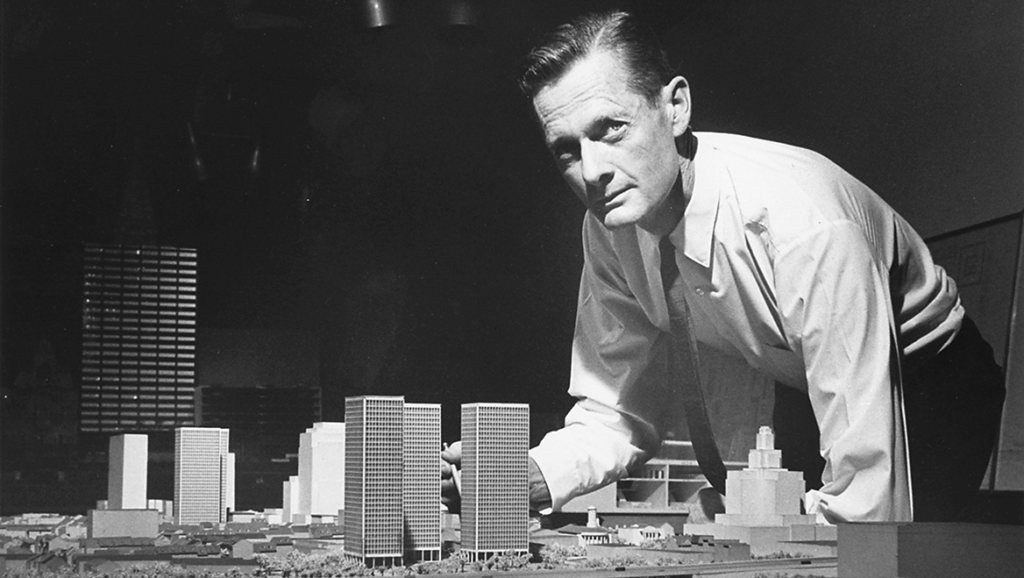
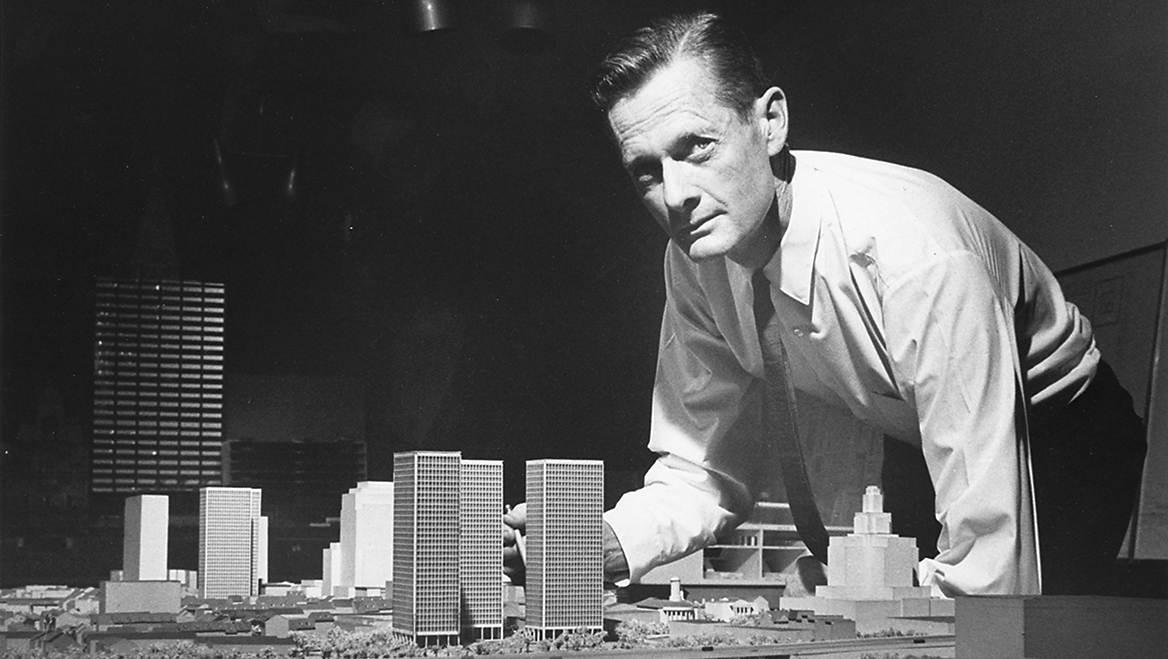
Edmund N. Bacon’s role in enhancing the physical and philosophical appearance of a city is unmatched. As the Executive Director of the Philadelphia City Planning Commission from 1949 to 1970, Bacon was more than a city planner; he was a visionary. Bacon transformed a declining post-war city into a modern city, making his name among the most excellent urban planners of the 20th century.
In the projects that reshaped downtown and through the books that raised expectations of cities, Bacon’s influence will always manifest in the streets, skyline, and civic content of Philadelphia.
Designing Cities Intentionally
Born in 1910 in Philadelphia, educated in architecture at Cornell, and trained as an urban planner at Cranbrook in Michigan, Bacon was highly influenced by the Garden City Movement and modernist theorists, and when he returned to Philadelphia, he did so with a desire to reconnect people, infrastructure, and nature, as he envisioned urban design once again.
As the Director of the City Planning Commission, he saw to the development of some of the most significant spaces in the city, including:
Penn Center – creating a new commercial district where the Pennsylvania Railroad viaduct once towered, while designing a civic spine and spaces for pedestrian circulation
Society Hill – developing one of the first historic districts in the United States by balancing preservation and new housing
Market East – rethinking the commercial street as a transportation-street space, making it more conducive to public transit and pedestrian environments
Bacon believed in evolving a city to ensure we do not demolish everything. He recognized that history is honored in paving the way for the future.
Author of Design of Cities
In 1967, he published his groundbreaking book, The Design of Cities, which is widely regarded as a classic in urban design academia. By employing a comparative case study and planning diagrams, he examined ancient, Renaissance, and modern cities, which reflected the changing needs and values of humans.
For Bacon, cities were more than obliging for infrastructure; they were “manifestations of collective vision.” He wrote that a prosperous town could be built “with conscience, memory, and spatial clarity.”
Planning in Action
In the public persona, Bacon modeled graciousness and was a staunch believer in the idea of civic life. He would often express the idea that planning is akin to the storytellers or narrators of lived time and space. His promotion helped preserve Philadelphia’s colonial heritage, even as it underwent urbanization.
Bacon proposed many grand ideas, some of which were never realized (e.g., a submerged expressway down the Delaware River); however, the concepts of balanced growth, pedestrian space, and thoughtful design still inform our planning values.
Why Edmund Bacon Matters Today
As cities like Philadelphia navigate affordability, equity, and sustainability, Bacon’s legacy remains relevant. His career helps illustrate that:
Public space is just as helpful or valuable as private space
Design is a civic mandate, not simply just an aesthetic choice
Urban planning can embody visionary ideals, as long as it retains a human scale.
Bacon once said, “The great thing about a city is that it is never finished.” Bacon’s Philadelphia will always remain undone, but his influence will ensure that more reason and care will be afforded in the evolving characterizations of the city.
Want to read more about Edmund Bacon?
Design of Cities, or visit the Athenaeum of Philadelphia and the Center for Architecture and Design to review his archives.