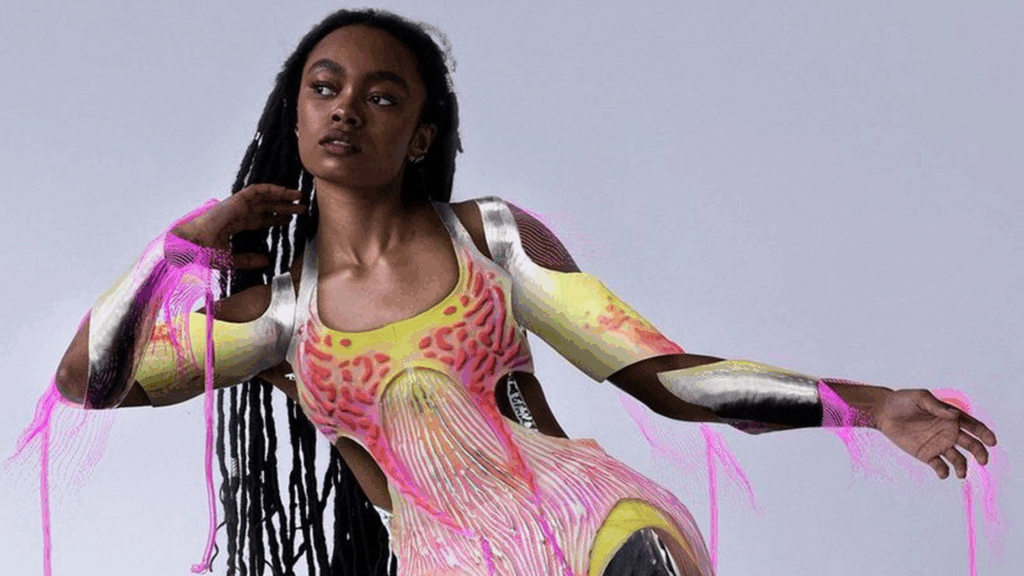
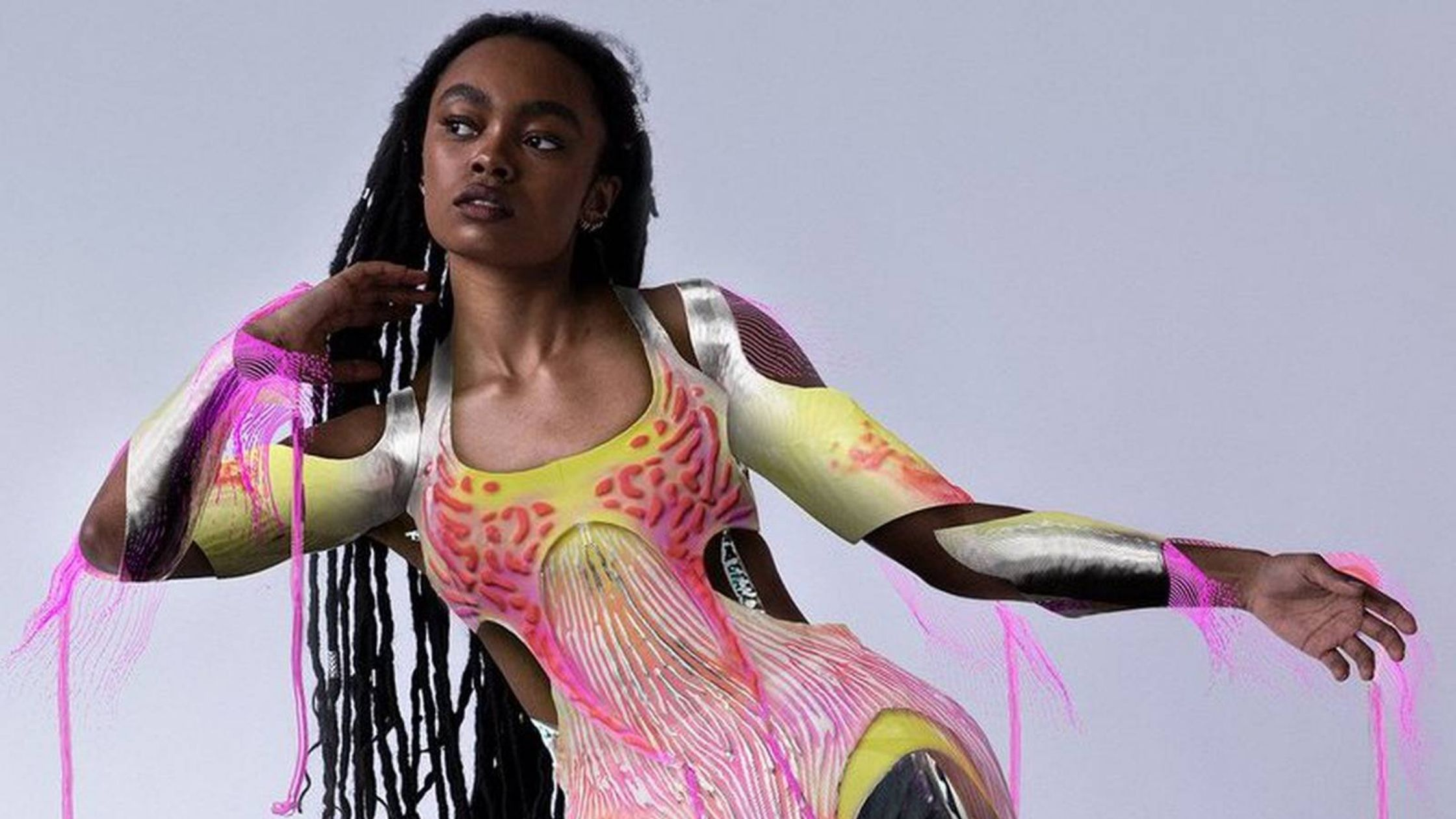

Fashion was once exclusively fabric, thread, and the runway. Today, it is also about pixels, code, and the cloud. Digital fashion — clothing created to exist solely in virtual spaces — is emerging as one of the most interesting realms of design. Digital fashion is redefining identity, consumption, and creativity in a radically new way, incorporating Instagram filters into the evolving metaverse.
What Is Digital Fashion?
Unlike physical garments, digital fashion garments are not cut or sewn. Instead, they are developed in 3D design software, are animated for movement, and are often sold as limited-edition files/versions. Buyers can then ‘wear’ the files, on models or in their own photos, or within video games, or other virtual spaces, without actually existing in physical form.
Part of the joy is experimentation as the garments can exist outside of our 3D apparel universe — the animation can violate gravity, the textures can shimmer in ways that are impossible in nature, and the garments can morph in movement in surreal ways. It is fashion without the laws of physics.
Why Is It Taking Off
Several currents are leading us toward the acceptance and uptake of digital fashion. First, social media culture demands differentiating content and visual artwork that is rich and varied. Second, gaming and virtual reality environments allow users to express their style in non-physical environments. And thirdly, sustainability — digital fashion builds no textile waste, produces no shipping emissions, and creates no landfilling.
Many startups — The Fabricant, , DressX, and Replicant, and they have continued to dominate the headlines, in large part because they have built collaborations with some of the largest brands and artists, and because it is clear that there is a large growing market for clothing that, by definition, can only be worn on the screen.
From Runway to Screen
It’s no surprise to see that high fashion has leaped into this digital sphere, as several luxury houses (Balenciaga and Gucci, to name two) have released digital-only collections and Nike has built virtual sneakers for a host of metaverse platforms like Roblox. For designers at the fashion level, digital software means infinite creative potential, and they can create designs without the cost and waste of producing garments.
At the same time, digital garments are also evolving into being collectible. It would not be surprising to see our digital garments move towards something like NFTs, where the garments could be bought, sold, and traded (for profit), and be part of a new digital economy where a garment “owned” is valued equally to that which you can wear.
Why It Matters
Digital fashion allows challenges to our conceptions about clothing — if fashion is a form of self-expression, does it matter if the garment we wear is “real” or “physical”? For younger people who are already living part of their lives online, no; in fact, the longer we engage in these spaces, the more we embrace our digital self and identity.
Digital fashion is also prompting the industry to reassess its sustainability. While not entirely free of energy loads, the garments exist without the societal environmental issues associated with our fast-fashion consumption systems. If even a small percentage of social media outfits were to be traded out for digital-only clothing, this could disrupt how we consume style.
The Future of Fashion?
Ultimately, digital fashion will not replace our physical clothing and garments, but will provide a parallel industry—one that will sit alongside physical fashion as much a part of our experience as a significantly different one. With AR filters, gaming skins, and virtual red carpets, we are soon going to have as many digital pieces of clothing in our wardrobes as we do physical ones.
Fashion has historically always had an evolving relationship with cultural developments. Now that our lives are spilling into digital spaces and experiences, our perception of what we wear there will be equally, if not more important, than how we align with what we wear on the street.