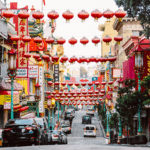

Architecture has historically been assessed in the day—clean facades, glass towers, and the texture of brick with the sun. But cities don’t sleep. Increasingly, architects are considering how life and the built environment change after dark. This new area of study, often called “nighttime design,” answers questions about how light, movement, and atmosphere influence our experience of architecture, semester after dark.
Not unlike daytime design, which is about visibility and form, nighttime architecture asks: What does a building feel like at 2 a.m.?
How safe does a corner feel with only lamplight on it?
How can light itself be a type of architecture?
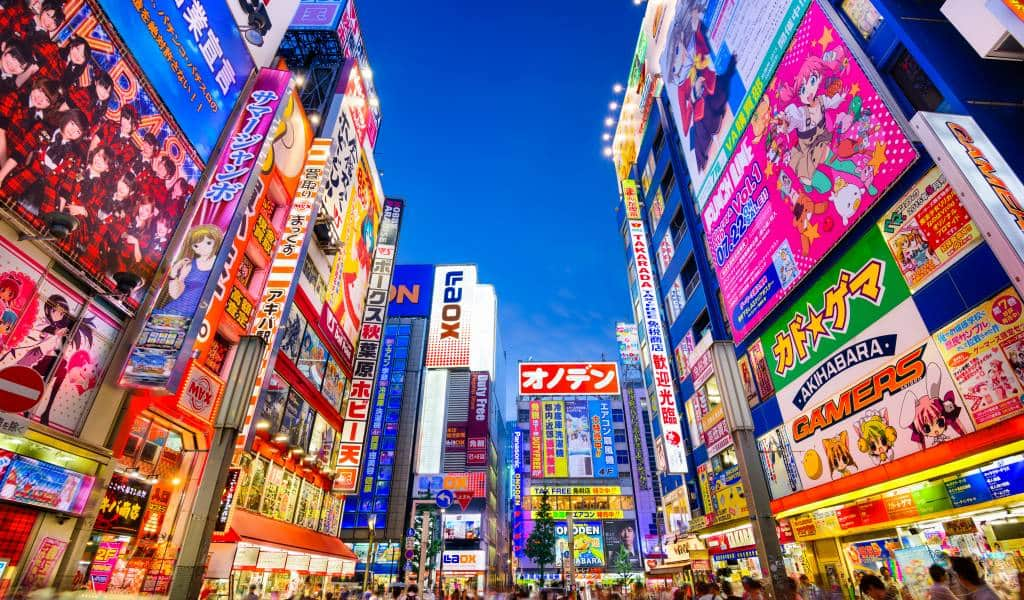
In that sense, Tokyo is one of the best examples of layered lighting—a type of nighttime design obscured by the lights of its consumption, ranging from glowing lanterns in alleyways to glowing neon facades. The best neighborhoods create an implicit architecture that guides pedestrians through the neighborhoods. Paris has experimented with “light plans,” where it has dimmed streetlights in certain districts while using featured highlights in the heritage facades of other neighborhoods to create a spectacular, curated landscape. And it’s not limited to large U.S. cities, where designers and public policy are evolving beyond noise and light pollution and considering how to make streetscapes more human-centered, and in turn, welcoming.
This isn’t just aesthetically pleasing. Public safety, mental health, and energy consumption are implicated as well. Just as poor lighting can detract from a person’s sense of safety enough to render a street unusable, over-use or over-lighted streets can wreak ecological havoc, disturbing birds and insects while increasing waste. Not to mention, urban planners and architects working to find a middle ground—or lit streets that glow at night—but won’t confound or blind the night theatre.
This development is also culture-based. Nighttime markets, festivals, and communal gatherings all have the potential to flourish when their architecture is made for evening use. Think about the mood shift when a plaza, theater (where the facade can double as a projection screen), or waterfront emerges as alive at night as the midday sun.
Why it matters: The architecture of cool fun will matter increasingly in cities as urban populations expand and social values for nightlife economics grow. The best cities of the future might not be the highest skyline, but those equipped to give users the sense that they are safe, inspired, and connected walking home at midnight.