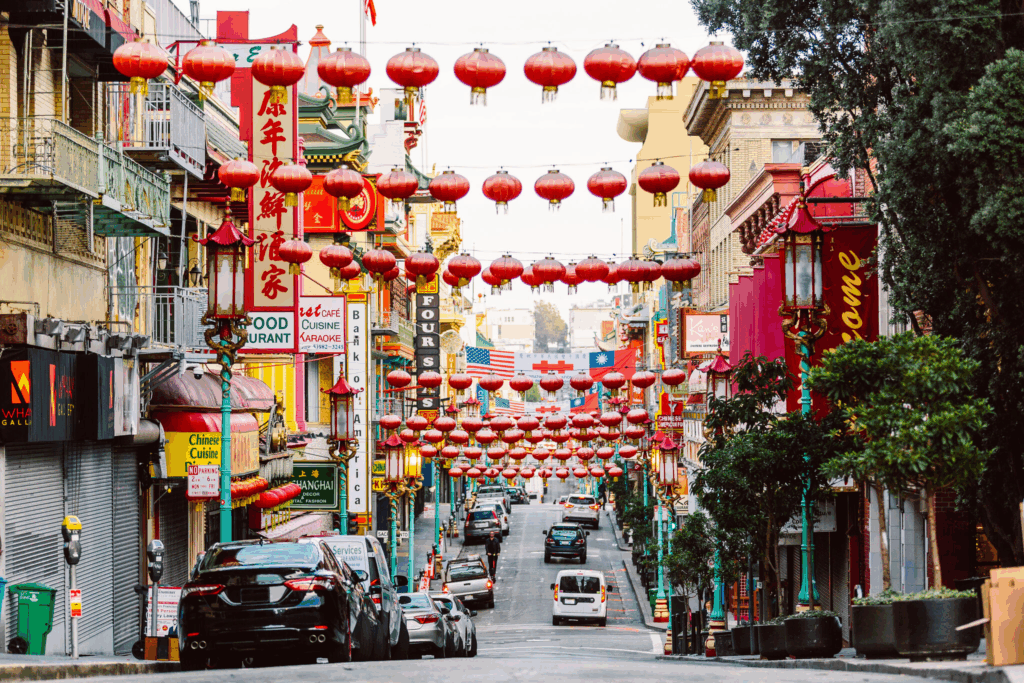
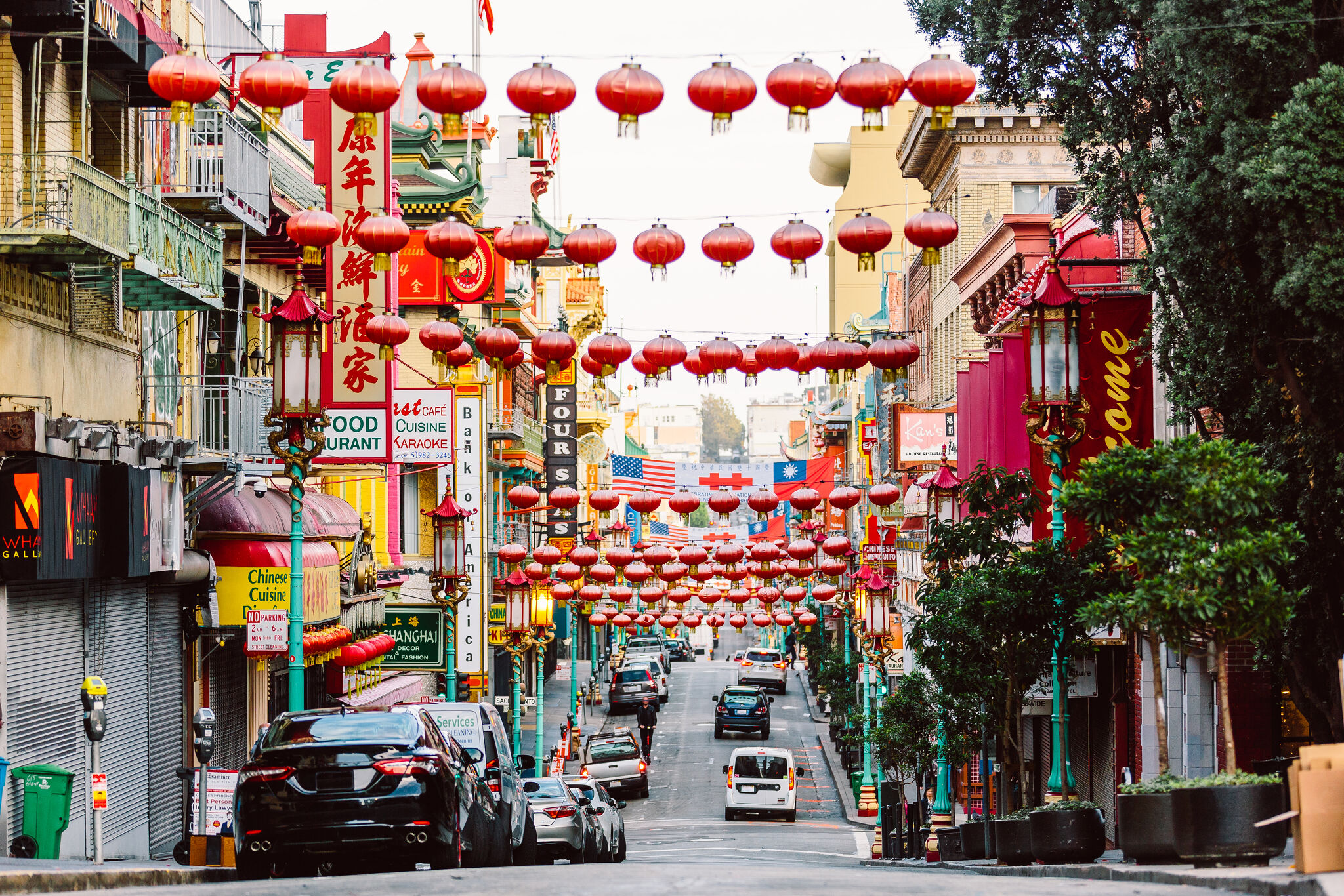

Chinatowns are much more than neighborhoods in cities throughout the United States. They are cultural anchors, places in which immigrant histories are manifested in storefronts, pagoda roofs, and neon sign-lit streets. From San Francisco to Philadelphia, these districts represent juxtaposed forms of traditional Chinese notions of space and the urban constructs of America. Yet, with escalating pressures not only from gentrification but also from development, the architectural heritage of Chinatowns faces increasing risks of disappearance.
Built Environment—Layers of Time
Most Chinatowns were established in the late 19th and early 20th centuries, when Chinese immigrants were subject to exclusionary laws that relegated them to specific districts. Their buildings featured an amalgamation of Western structural systems with Chinese decorative motifs, including tiled eaves, lanterns, and dragons carved into façades. With the passage of time, these architectural motifs began to serve as markers of cultural survival and resilience, no longer merely aesthetic contributions, but a form of survival within environments that often would not welcome them.
Walking through a Chinatown today is like reading a multi-faceted history textbook. The narrow alleyways, mah-jong parlors, family associations, and herbal shops all tell the story of migration, adaptation, and resiliency as communities fend off the impending impacts of displacement.
Development + Erosion of Culture
Most Chinatowns now exist at the center of burgeoning property markets. Rising rents and redevelopment threaten small businesses, while historic façades are obliterated by demolitions or “renovations.” In New York’s Chinatown, luxury apartments overshadow century-old tenements. Washington, D.C’s neighborhood may have its notable Friendship Archway, but most long-time Chinese residents and businesses have been displaced. With the absence of any preservation policies to protect the architectural markers of Chinatown, they are at risk of symbolizing nothing, devoid of the communities that established them.
Why Preserve
Preserving the architectural heritage of Chinatown is not just about preserving buildings. It is also about:
Cultural continuity – preserving a physical place to pass on to the next generation as their heritage.
Urban diversity – preventing cities from destroying neighborhoods for uniform glass towers.
Social resilience – preserving the last vestiges of hospitality for marginalized communities where in-fighting and hierarchies exist amongst Chinese (and other minorities) communities.
In preserving the built environment, we also protect intangible aspects of a place, including its customs, food, festivals, culture, and stories.
The End
Bake it or break it—or both.
Community activists, architects, historians, and advocates are advocating for new heritage designations, adaptive reuse projects, and zoning protections to protect Chinatown architecture. For example, in San Francisco, there are preservation ordinances for buildings of cultural significance. In Boston, tenant advocacy organizations are working to establish community-led processes for planning and decision-making regarding community heritage.
Ultimately, whether Chinatowns have a future depends on how cities reconcile growth and heritage, and whether architectural preservation can be used as a tool not just for historic purposes, but also for justice.
Want to learn more? Consider visiting organizations such as the Chinatown Community Land Trust in Boston or the Chinese Historical Society of America in San Francisco.