
Once a point of contact, phone booths are now just another token of the past. Once cell phones became ubiquitous, rows of pay phones found in cities from London to New York were rendered obsolete. Many of these booths were taken out of commission or left to corrode. However, in recent years, communities have begun to breathe new life into these booths. One of the loveliest reuse? Phone booths as mini-libraries.
From Calls to Books
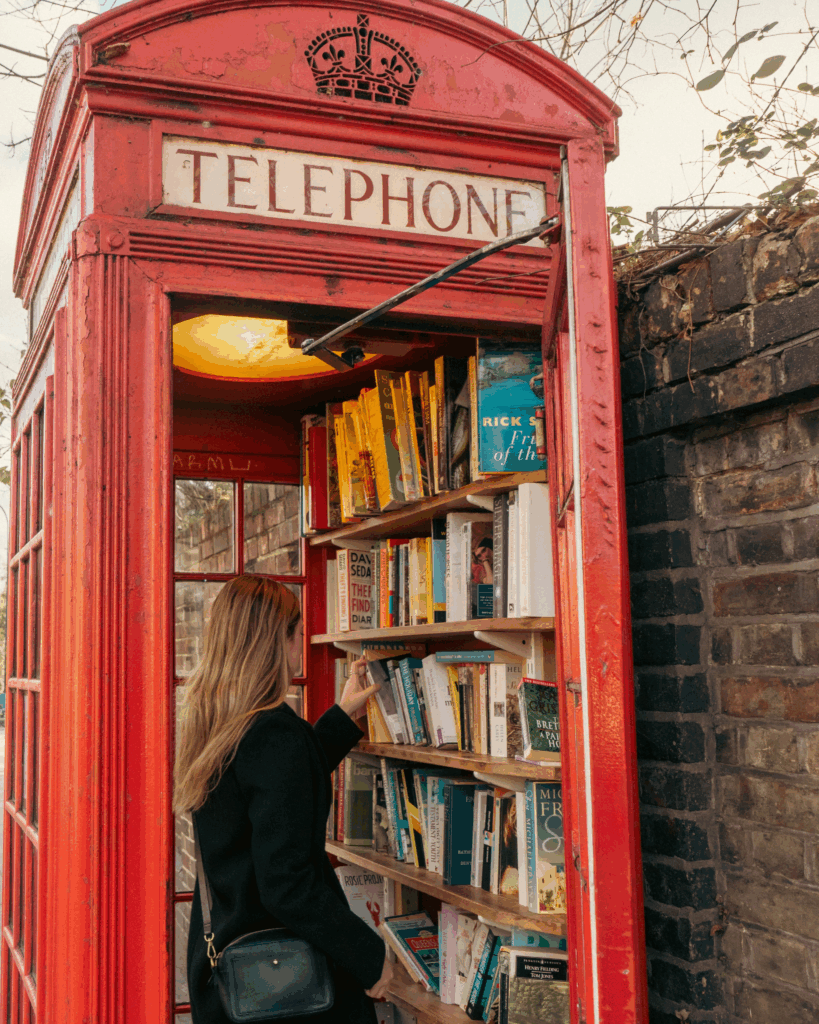
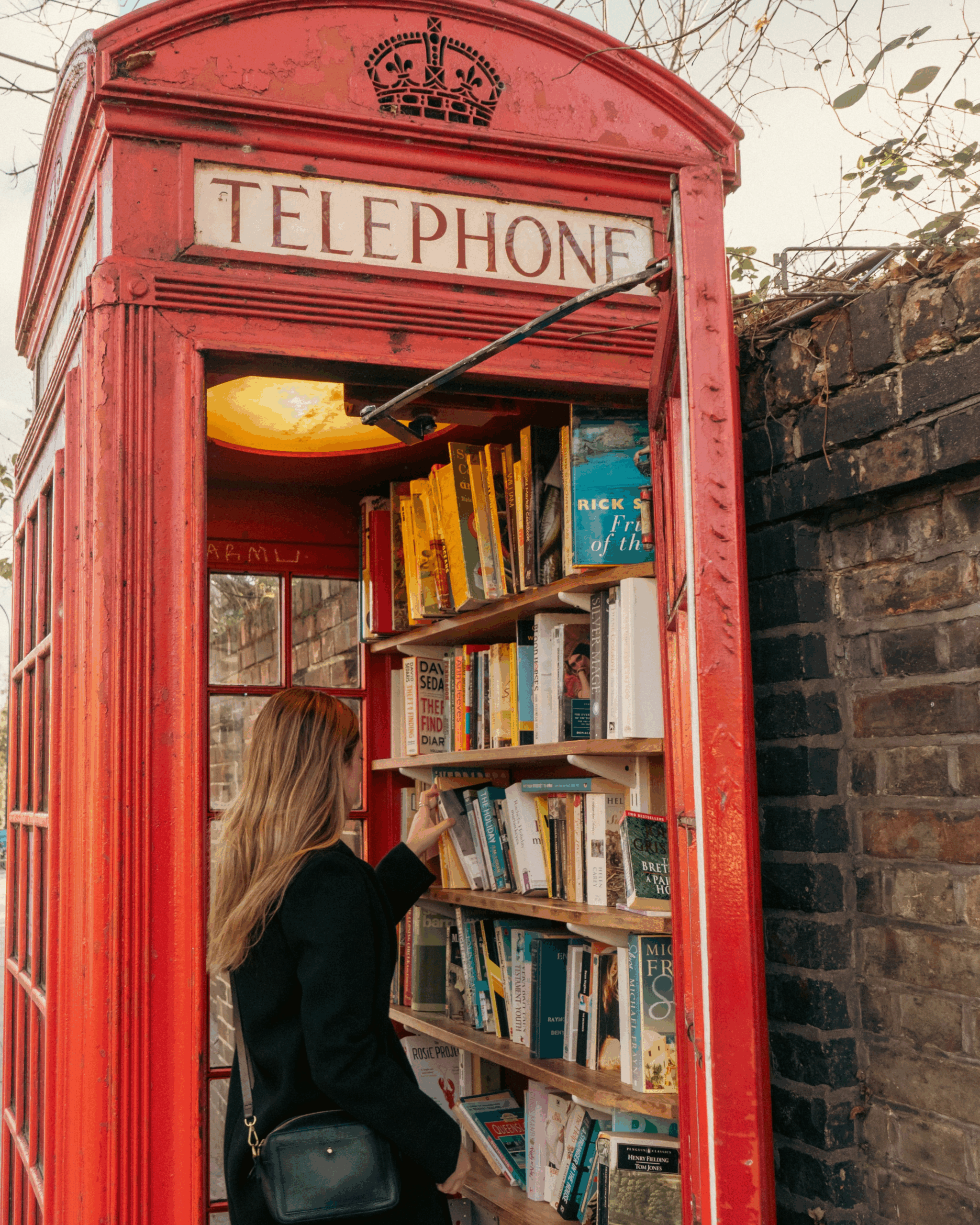
In the U.K., where once-bustling telephone boxes lurked in exercise corners, thousands of them came out of use around 2000. Instead of permitting them to disappear, communities and organizations started to adopt booths through the Adopt a Kiosk program, which turned them into free book exchanges. Shelves took the place of phones, and a device once used for communication was now a means to expand imaginative thinking. The process involved transforming numbers into browsing titles, and neighbors were alive with novels, cookbooks, or children’s stories left on the shelves for the next person to find.
Fresh Versions of Old Ideas
This is not confined to Britain. New York City officially decommissioned its public pay phone system in 2022, and in response, artists and activists wrote to breathe new life into the booths. Some were transformed into Wi-Fi and charging stations, while others became a micro-library where the community can borrow books from a physical swap at the community vigil. In rural Germany, repurposed yellow phone booths have sprung to life as self-serve lending libraries, powered by solar energy, called BücherboXXen. Each booth reflects local character, its disposition painted and curated by volunteers.
Why It’s Effective
Phone booth libraries offer a recycling approach to design—the act of taking something that’s no longer useful and renewing its usefulness. Phone booth libraries are small, contained spaces, intimate, emblematic. They have a trust, simplicity, and community spirit about them, in contrast to an extensive public library. The scale of spaces is also valuable—stepping into a small room with books creates a sense of discovery and treasure-hunt quality that you can’t find in larger, more substantial institutions.
More Than Nostalgic
Phone booth libraries may initially seem about nostalgic charm, but they are much more about the multitude of urban questions: What do we do with obsolete infrastructure? How can design preserve memory and respond to our present? Preserving the booth, cities also acknowledge their histories while transforming their utility for the future. Each library is also hyper-local—what the neighbors choose to gift, making the forgotten infrastructure a showcase of communal identity.
Why It’s Significant
Phone booth libraries remind us that design is not always about creating something new, but in some cases, refreshing what is lesser. They remind us how small-scale interventions can beautify everyday life and bring joy to the most unlikely circumstances. From obsolete communication nodes to living archives, phone booth libraries connect the past to the present, offering not just a place to make or receive calls but also a place to rest in the moment, browse, and connect.
Future Aspirations
Therefore, as cities continue to phase out legacy technology—such as ATM kiosks, mailboxes, and parking meters — the reuse of articles will become more imminent. Will they have sustainable indoor cultural mongers? Phone booth libraries demonstrate that the answer is not demolition but imagination.