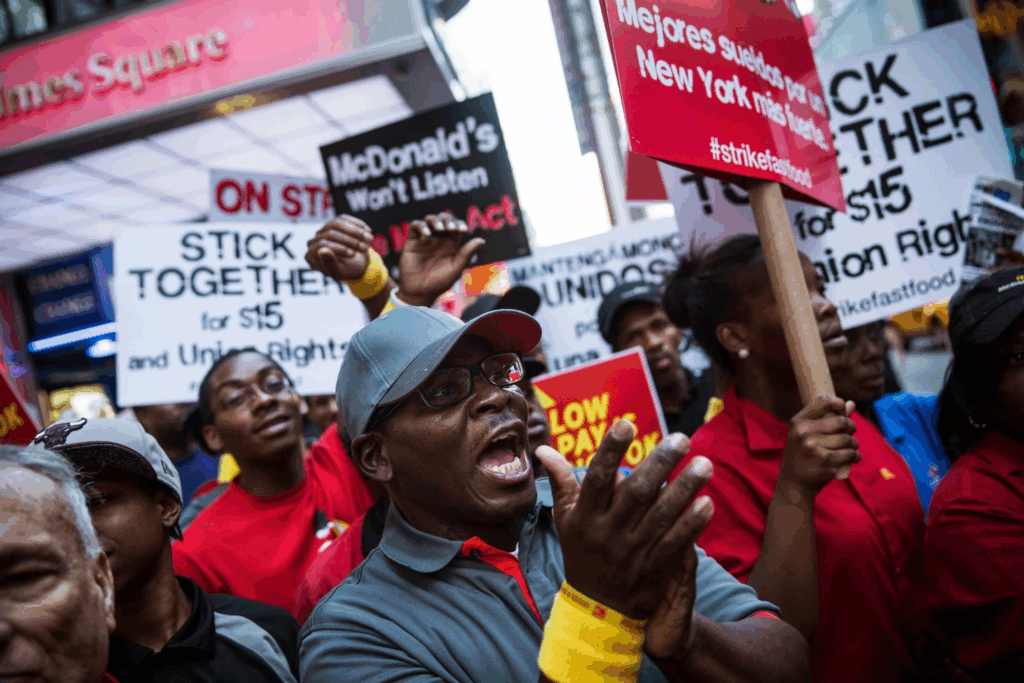
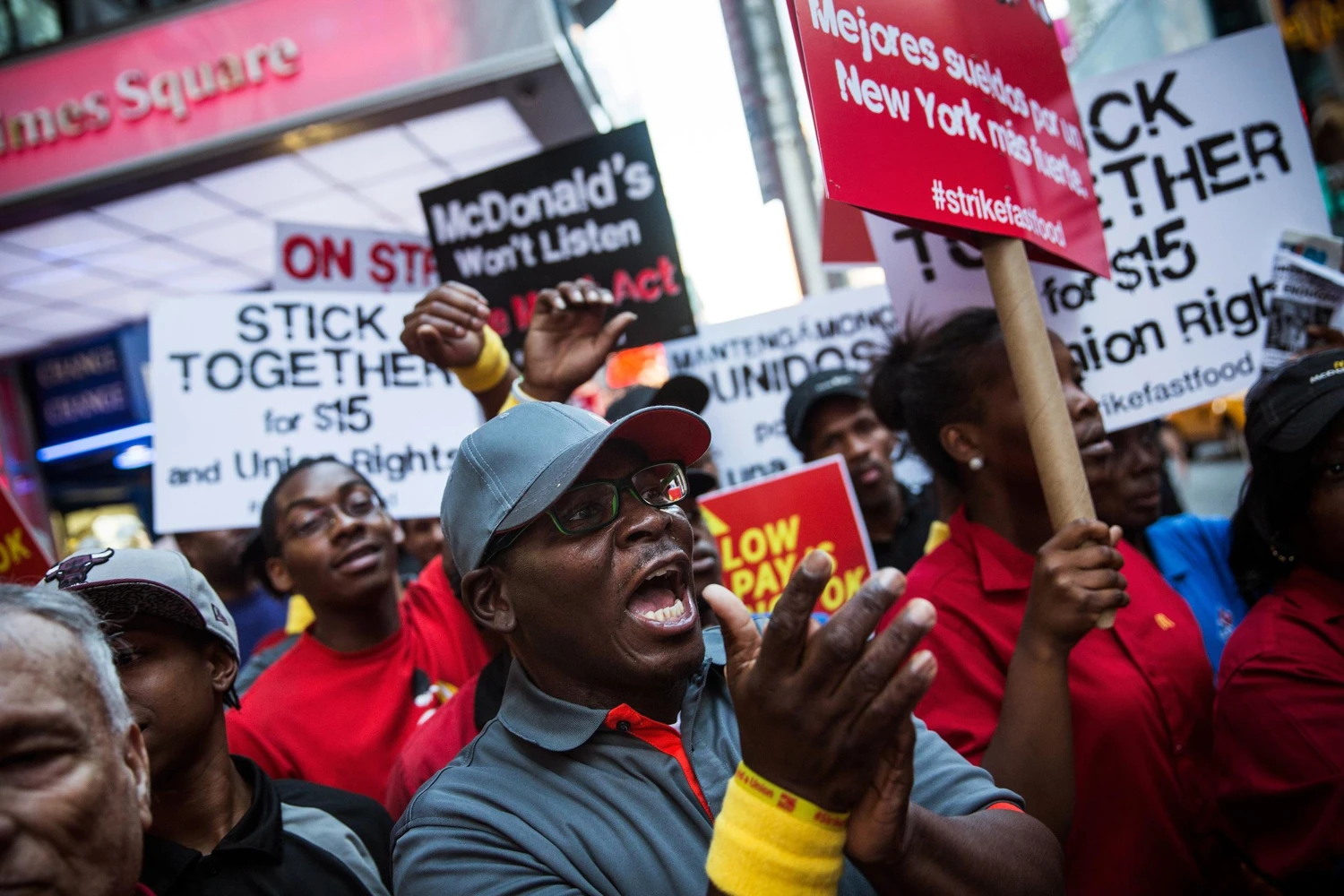

Food has always been more than food throughout history—it has been a tool of resistance and a weapon of choice. Labor strikes utilized communal kitchens; civil rights sit-ins occupied segregated lunch counters. Today, young people and communities around the globe are reclaiming food as an act of protest. They are showing us all how the mere act of eating—or not eating—food can be inherently political.
Cooking Against Injustice
Civil rights activists also occupied “whites-only” diners instead of boycotting them, asserting that segregation did not stop them from being seated at the table. Similarly, anti-apartheid groups in South Africa called for boycotts of one food company in particular, asserting their power as consumers. Today, Indigenous communities in North America are hosting “decolonial dinners,” or reclaiming land and sovereignty through ancestral recipes. Each plate represents a story: whether it is food eaten because of land ownership or eliminated because of resource control.
Bread, Rice, and Revolution
Food has incited riots for centuries: for example, the French Revolution ignited with screams of “bread,” and the Arab Spring movement incited rebellions over increased bread prices across the Middle East. Food was not just sustenance; it became the meeting place for activism and ran the risk of exposing inequality. Kitchen protests, such as the Tahrir Square kitchen and the Occupy Wall Street eating area, inadvertently showed that feeding one another is, itself, the act of solidarity.
Street Food as Activism
Today, in cities, food trucks and pop-up kitchens can provide more than just encouragement for the hungry; they give voice to stances. Markets of migrants have provided a retro/reinvention of culture to dismantle xenophobia. Activist chefs have parachuted dinners to raise money for climate activism, refugee justice, and racial justice. Today’s viral videos on TikTok, which have included boycotts of restaurants, highlight one thing: the food culture Gen Z is adamantly combining with protest culture movements and calls for action.
Significant Impacts of Food Culture
Food connects all of our lives. It involves the daily, intimate, personal, and emotional aspects of our lives—it makes food an excellent vessel for activism. When kitchens are used as organizing spaces, recipes are used as story collectors, and sharing meals becomes a political act, we expand the common into the radical.
The Future
As climate change destroys crops, corporations undermine food systems, and cultural identity becomes erased forever, the politics of food will sharpen; and young activists are or will be tapping into dissentful protests for survival from seed-sharing collectives to climate change (and boycottries) that suggest the next phase of activism will transition from public service to private-to-table spaces.