
Around the world and in neighborhoods near you, a low-key design revolution is underway that is transforming how communities share and access public spaces and information. Tiny libraries—those small, weatherproof book boxes you see in front yards, parks, or on street corners—have become a global phenomenon that demonstrates how even the smallest built objects can have a profound social impact.
The idea originated in 2009, when Todd Bol, a resident of Hudson, Wisconsin, built a small wooden box modeled after a schoolhouse to honour his mother, a teacher and lover of reading. He stocked the box with books and placed it in his yard, accompanied by a simple sign: “Take a book, leave a book.” Bol’s gesture became the impetus for Little Free Library, a nonprofit organization and global movement. Now, there are more than 150,000 registered tiny libraries in 100 countries, all maintained by volunteers who view sharing books as a chance to build community.
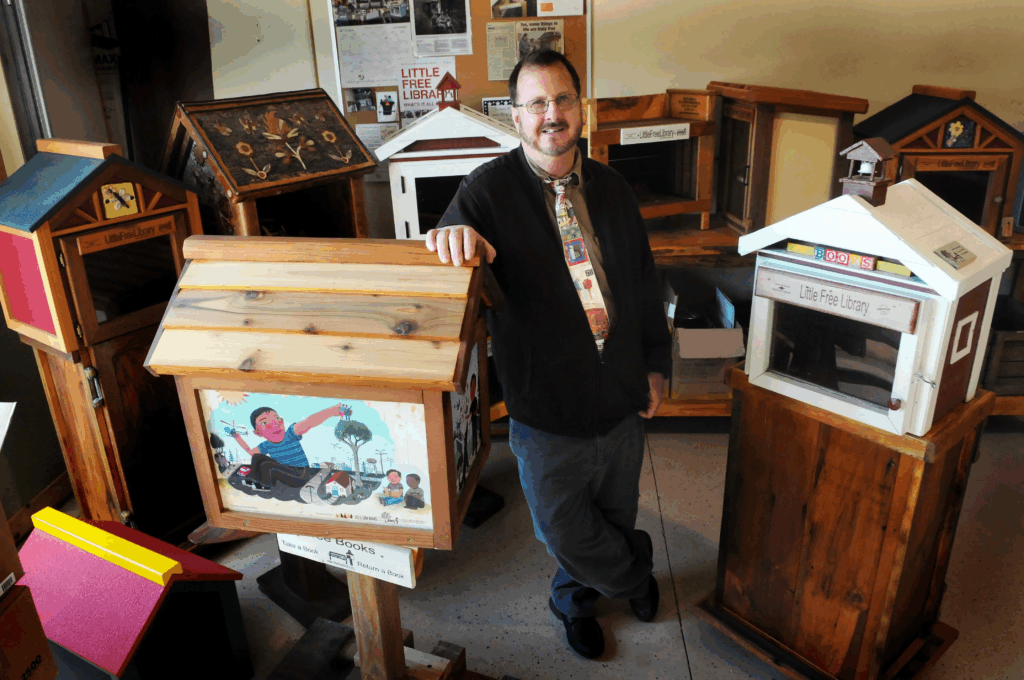
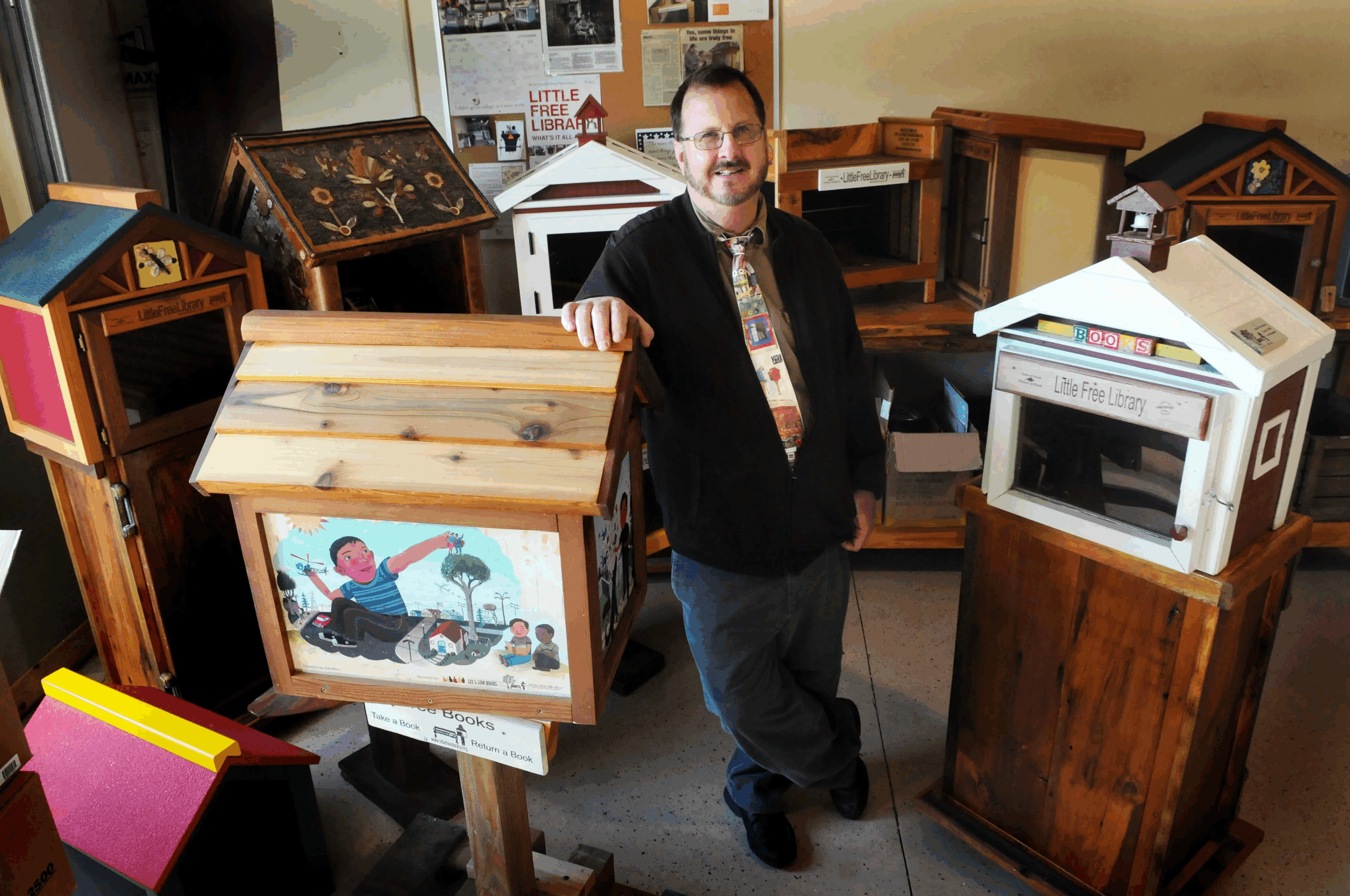
But tiny libraries aren’t just quirky boxes of books. They are small acts of micro-architecture, often made with intention and creativity that evoke the unique character of the neighbourhood. Some libraries borrow elements from Victorian-style homes or futuristic pods; others repurpose salvaged wood, glass, or even old phone booths to create something bespoke. Each library, however small, becomes a small landmark – a prompt for passerby strangers to stop, open a door, and connect.
The significance of tiny libraries extends beyond their design. In communities where access to traditional libraries is limited, these small structures engage issues of literacy, equity, and belonging. Tiny libraries democratize reading, providing free access to stories and knowledge, whenever they want, wherever they want. They surprise communities—because residents never know which book will be left behind or who will find it helpful when they borrow, even once.
Cities have begun to leverage the social capital of micro-structures into a networked, placemaking system, finding that “tiny libraries,” parks, and public plazas are creating spaces to invite gathering. Architects and designers are building out versions that are solar-powered, modular, or multifunctional. Some have pointed out that they may produce or expand their iterations into boxes of free art, seed libraries, or tool-sharing stations – evidence that the tiny library can grow into whatever local need.
Why does this matter? As we enter an era of ubiquitous screens, tiny libraries remind the public of the tactile joy of holding a book, the intimacy of the neighbourhood exchange, and the power of small-scale architecture to create big cultural waves. Tiny libraries demonstrate how architecture does not always have to be monumental; sometimes it is about the small objects that spark a connection.
The movement signals great growth potential, not only as an exchange of books, but as an existence of community generosity, sustainability, and creative urbanism. The rise of tiny libraries suggests how highly productive even the simplest design can be, with purpose and care, sustained by neighbours who want to leave a meaningful mark within locations we call home.