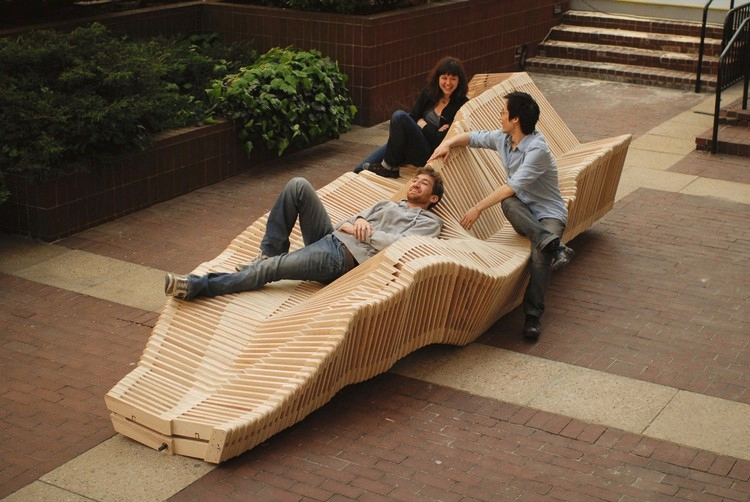

On the outside, a bench seems the most basic, generic element of urban furniture — a flat seat, a back, possibly armrests — how can you be more universal than this? But a bench is more than just a shape. They are emblems of acceptance or dismissal, companionship or loneliness, love or rebellion. Each bench carries a story of how a city relates to its inhabitants.
A Stage for Everyday Life
A bench is where Grandma catches her breath from a walk, the youth group gathers after class, and visitors share a few moments of space before parting ways. Bench locations create social performance spaces on sidewalks, squares, and parks, giving security a moment to neutralize the quick pace of the urban environment. When placed correctly in a good location, a bench transforms an alley into a welcoming atmosphere, while the absence of a bench transforms it into an uninviting, barren space.
Hostile Design and Who Sits Where
Not every bench is made for comfort. Some benches are manufactured to dissuade an activity. For example, armrests discourage people from lying down, sloped seating prevents a person from loitering, and spikes or bars create a false sense of “public order.” This eventually leads to hostile architecture design, and we engage in three big questions: who are these places of public use? Do benches preserve public use or solely people who follow a limited and narrow view of what is ‘acceptable ’?
Memorial Benches
Benches also act as containers of memories. You will see plaques throughout cities/universities where benches are assigned to people who have deceased. These unobtrusive memorials make benches incredibly intimate, as they become places of introspection, grief, and gratitude. A mundane wooden bench has the potential to be a lasting memorial, with elements of the person’s story woven into our daily lives.
Act of Protest, Act of Belonging
With all public advocacy, benches provide opportunities. Public benches could also serve as a communal meeting space where communities gather, communicate, and mobilize. Occupying public space, such as demonstrating in front of City Hall or claiming a spot in front of a shopping plaza or public plaza, becomes a collection of statements. Simultaneously, the spaces that communities produce through fanzines or the gathering of their own networks of skill and talent—such as a bench made by a neighbor and painted the color that represents their favorite sports team—create functions of belonging and pride.
Why it Matters
Benches may seem innocuous, yet they are, in fact, one of the most inherently democratic elements of urban design. They invite inaction, allow for discourse, and facilitate varying rhythms of human interaction in public space. Likewise, there are tensions in their design, including inclusivity and exclusivity, permanence and memory, as well as inaction and restrictions.
Next Steps
As the future of the urban environment counters aging, space shortages, climate change, and population growth, these remnants of benches haven’t yet disappeared. They still are part of how we treat public space. Future benches will likely be shaded, solar-powered, made from recycled materials, and designed to enhance the art experience through interactivity. Yet, benching will, fundamentally, express an innate human need that is stopping, sitting, and being with somebody.