

Architecture straddles the line between an art form and an engineering principle—it’s where imagination meets accuracy, where beauty meets brawn. Every time we see a tall skyscraper, a beautiful bridge, or a significant landmark, we can appreciate not only the architecture but also the engineering that enables these buildings to occupy the spaces they inhabit safely and without collapse. These buildings are about so much more than what is ‘surface level’. There are structural innovations, materials that are nothing short of revolutionary, and methods for overcoming some truly challenging obstacles.
In this post, I want to explore the aspects of structural design. We will examine the iconic buildings that have revolutionized the architecture world, look at materials that have transformed the way we build, and describe some of the challenges structural engineers face when designing urban skyscrapers. Whether you live and breathe the technical side of this process or simply want to know why and how some of these buildings stand, I think you will be amazed by the great science behind the structures we see every day.
Structural Innovations in Iconic Buildings: Where Design Meets Engineering Genius
Behind every fabulous building, there is a group of engineers and architects who, together, have spent years making sure that their building will remain standing, both structurally and visually. Let’s take a look at some of our most renowned structures, which are not only beautiful but also provide us with some of the most innovative structural solutions known.
The Burj Khalifa: Reaching for the Sky
Behind every fabulous building, there is a group of engineers and architects who, together, have spent years making sure that their building will remain standing, both structurally and visually. Let’s take a look at some of our most renowned structures, which are not only beautiful but also provide us with some of the most innovative structural solutions known.
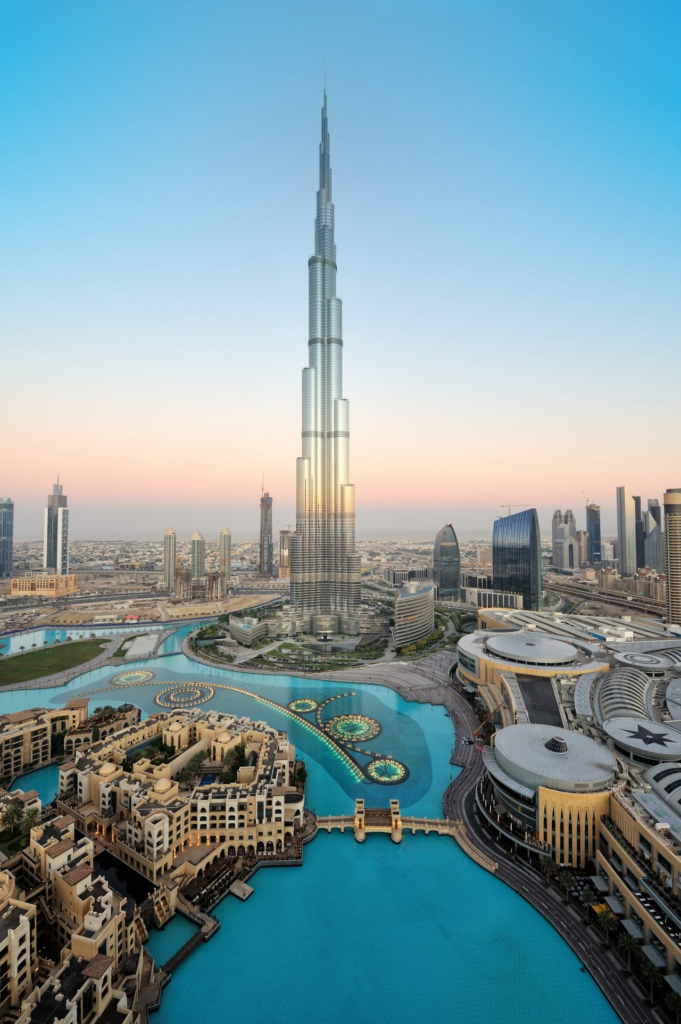
Standing at 828 meters (2,717 feet), the Burj Khalifa in Dubai is the world’s tallest building. However, the engineering feat required to reach the height of this building is even more surprising than the height itself. The Burj Khalifa faces one of the main challenges of any building: the issue of wind forces. A tall building can sway under certain wind loads that can impact the structure’s stability. The Burj Khalifa employs the concept of a buttressed core, a strong central support surrounded by buttresses or wings that redistribute wind forces.
Fun fact: The Burj Khalifa consists of over 103,000 square meters of glass (equivalent to over 14 football fields) and an estimated amount of concrete enough to fill 41 Olympic swimming pools! How crazy is that!?
One of the most brilliant aspects of this design is the high-strength concrete that was designed for the project. The blend of concrete was designed to withstand the pressures at the bottom of the building while retaining enough flexibility at the top to account for the wind loads.
The Sydney Opera House: Sailing Into History
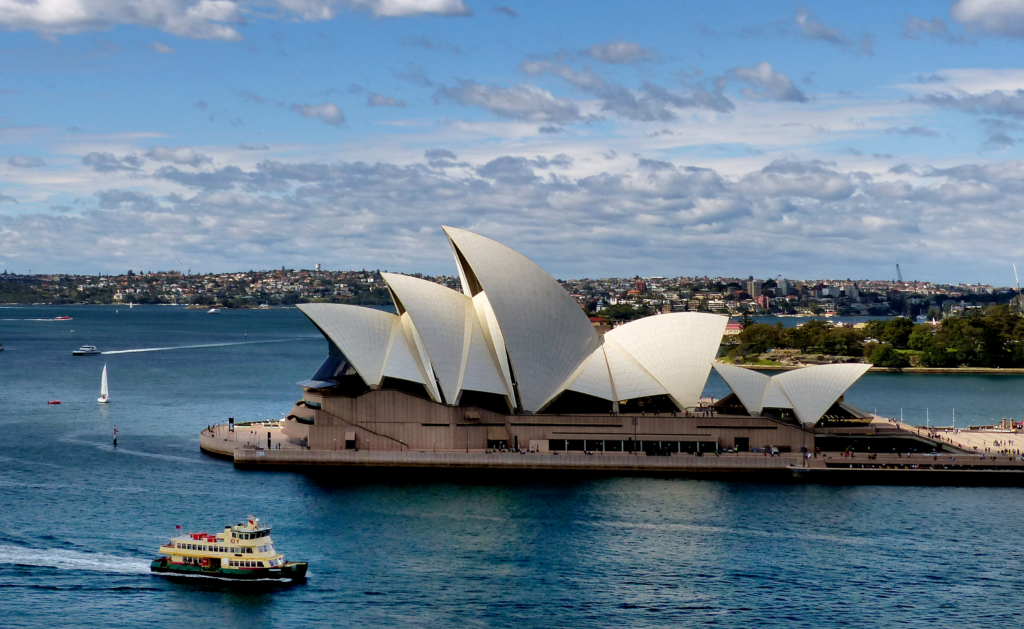
When you think of Sydney, you think of the famous Sydney Opera House—a structure characterized by its roof with distinct sails.! But behind this renowned design is a genuinely groundbreaking structural innovation. The roof of the main Opera House is made of interlocking shells that seemingly float above the structure using structural design techniques that had never been achieved on that scale before. To develop this innovative design, engineers established new methods for constructing the shell. They constructed concrete “shells” in various configurations, allowing them to support their weight while maintaining a thin and elegant design.
The original design of the roof was straightforward, but through the intense cooperation of architects and engineers, a solution emerged that is genuinely different. Those shells that look so fragile encode some seriously strong engineering!
The difficulty was that the roofs’ bold curves and irregular shapes were not only aesthetically innovative, but they also had some structural complexity. The shells had to be lightweight yet strong enough to support the weight of the interior concrete structure and also resistant to high winds in Sydney.
The Golden Gate Bridge: Engineering Across the Bay
Another interesting point is that, while the Golden Gate Bridge in San Francisco is one of the most photographed bridges in the world, it is also an engineering masterpiece. Built in 1937, its construction created the longest suspension bridge in the world, spanning 1,280 meters (4,200 feet), crossing the Golden Gate Strait.
The suspension involves a “system,” and this is where the engineering is evident, utilizing large steel cables to suspend the bridge and carry the weight. To illustrate the scale, the two main cables supporting the bridge weigh 24,500 tons and are composed of 27,572 individual wires.
Fun fact: When the farmers in Sausalito were constructing the bridge, people thought it was impossible to build a suspension bridge across the bay because of the strong winds and a tough tide to run up against. Engineers led by Joseph Strauss and Leon Moisseiff created a design that was both structurally sound and aesthetically appealing. They also designed the bridge to withstand the forces of nature.

Revolutionary Materials: How Concrete, Steel, and Glass Changed the Game
The impact the materials we use to build a structure have on how they behave, how they look, and how sustainable they are. Over the years, materials have had a profound impact on how we approach architecture.
Concrete: The Building Block of Modern Architecture
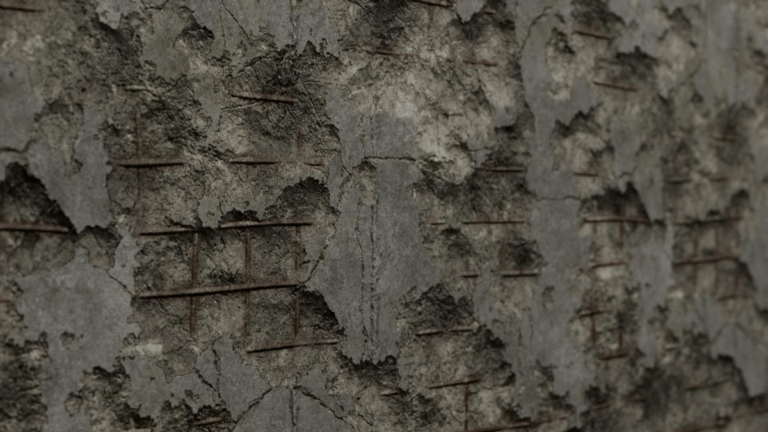
When we envision concrete, we think of the grey, solid material used for sidewalks or parking garages. Concrete, or more specifically, reinforced concrete, is one of the most essential materials in modern architecture. The most common definition of reinforced concrete is concrete with steel bars (rebar) placed within the concrete, providing tensile strength, i.e., steel pulled to its capacity that regular concrete cannot withstand.
Fun fact: The Pantheon in Rome, built around 125 AD, has the largest unreinforced concrete dome in the world! It remains today! Concrete durability!
Reinforced concrete has been the basis for skyscraper construction for over one hundred years. The Willis Tower (formerly the Sears Tower) in Chicago is one of the tallest buildings in the world, and its concrete cores provide stability. Without concrete, we wouldn’t exist if we planned to build skyscrapers like the Burj Khalifa.
Steel: The Backbone of Skyscrapers
Steel is an entirely different material that transformed the very notion of architecture. Steel is strong, light, and flexible, and was adopted and widely used for skyscrapers starting in the early 20th Century. The Home Insurance Building in Chicago, completed in 1885, was the first building ever to use a steel frame. This permitted taller buildings with less material and more floor space.
Fun fact: The Eiffel Tower in Paris weighs approximately 10,100 tons, equivalent to the weight of about 1,200 adult elephants, and stands tall and sturdy due to the resilience of steel.
Steel is responsible for modern skyscrapers’ ability to withstand the forces of wind, gravity, and earthquakes. It’s incredibly flexible, which is why it’s in use for the Shanghai Tower—the second-tallest building in the world. Steel enables forms that work functionally and look beautiful. Steel makes projects lightweight enough to be energy-efficient.
Glass: The Transparent Revolution
Glass has undergone a quality transformation in changing the look and feel of modern architecture. Just a few decades ago, glass was often relegated to small windows or decorative elements; however, with the advent of curtain wall systems, buildings have become large, thin glass façades that are supported by the building frame and look fascinating. The John Hancock Tower in Boston and The Shard in London are examples of skyscrapers where glass use is not merely cosmetic but also contributes to energy efficiency and natural daylighting.
Fun Fact: The Shard in London is as tall as the Shard is the tallest building in the UK. It features special glasses to enhance energy performance, in addition to offering incredible views of London.
Glass has become a much broader spectrum of how we use it than merely something to look through. It is now used in various ways to define the temperature of the construction, maximize daylight, and minimize energy consumption. Architects and engineers are also investigating smart glass, which changes tint based on sunlight, to keep buildings cooler in the summer and warmer in the winter.
Challenges in Skyscraper Design: How Engineers Tackle the Impossible
As buildings become taller and cities are filled with increasingly dense buildings, engineers increasingly face unique challenges that have a heightened timeline and require creative and innovative solutions. Modern skyscrapers must do much more than be tall—they must also accommodate weather, seismic activity, and urban pressure. What are the challenges, and how do engineers come up with solutions?

Wind Forces: Keeping Buildings Steady in High Winds
Taller buildings exhibit greater wind forces than those that rise a little above the surrounding buildings. More wind forces result in more sway from the building; however, this can introduce discomfort to the occupants and may introduce a structural concern, so engineers have developed tuned mass dampers (large weights) that oppose the wind forces to counteract sway in the building.
Here’s a fun example. The well-known and visible Taipei 101 building in Taiwan contains a 660-ton mass damper that hangs from cables under the building’s roof. The damper is designed to assist in building stabilization during extreme sway from wind forces and earthquakes. The damper is robust enough to counter the downward wind forces and wind sway, reducing the excess of 40%!
Earthquake Resistance: Designing for Seismic Activity
If the building is located in an earthquake zone, an engineer will design the structure to absorb and dissipate seismic energy. Engineers employ various strategies to make the skyscraper earthquake-resistant, including shock absorbers, flexible foundations, and braces that have a somewhat excessive failure, are within limits and allow for sway.
For instance, the Tokyo skyscrapers, equipped with dampers and flexible steel frames, will allow for sway during earthquakes without any structural failure. Engineering and architectural advancements in one generation have allowed skyscrapers in earthquake zones to be safer than those of any previous generation.
Conclusion: The Future of Architecture and Engineering
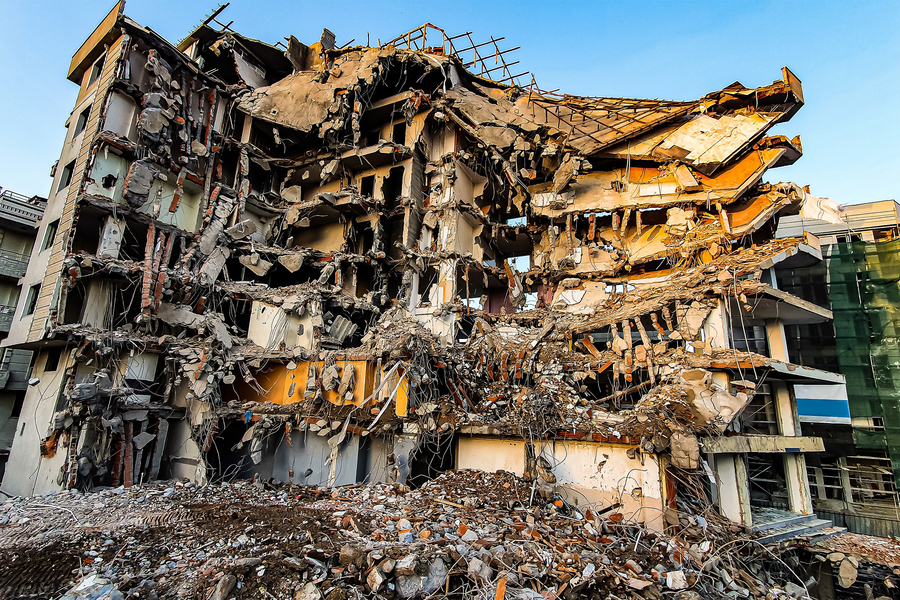
The world of architecture is moving too fast to imagine the buildings that we consider every day. These buildings could not have been built without advanced design engineering and the thinking of all those individuals interested in traditional reinforced concrete and steel frame buildings with glass façade systems, mass dampers, and many other building advancements. The limitations are in the wind forces, the design of structures in earthquake zones, and maximizing urban use, which have encouraged us, as designers, to find solutions that complement art with science and engineering.
As cities grow, technology advances, and communities quickly change, the world will continue to wonder what’s next. For sure, the buildings of the future will continue to be just as mind-blowing, if not more. Who knows, you could be helping Metha design the next iconic building!