
While glass towers and luxury developments have shaped the skyline of modern architecture, Jeanne Gang has built a brand that does something very different. This brand embodies the same iconic expression, one born from a desire for social and ecological good that is woven throughout its process. As the founding principal of Studio Gang, a well-respected international architectural and urban design practice, she has become one of the most visible voices for what architecture can offer people and the planet.
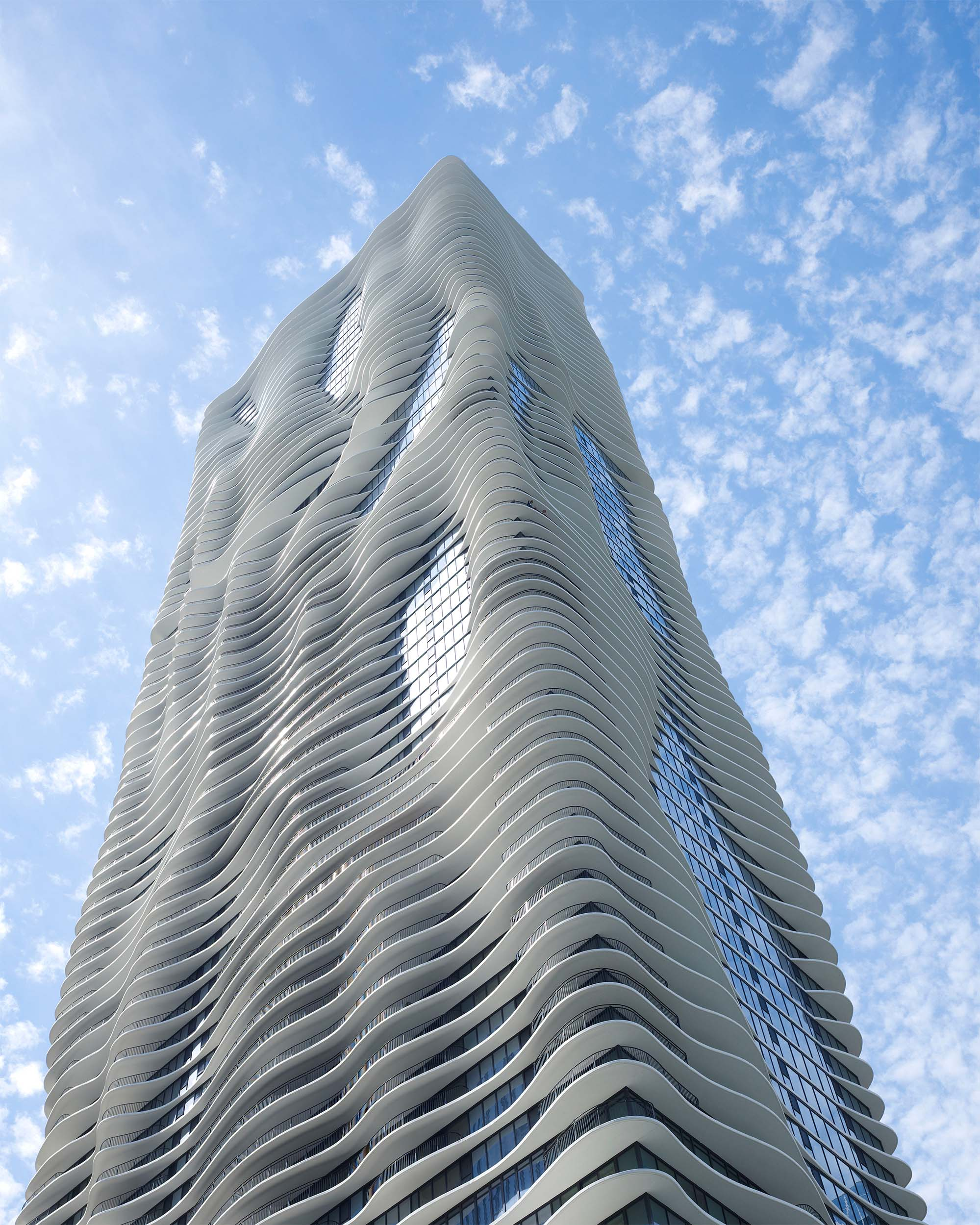
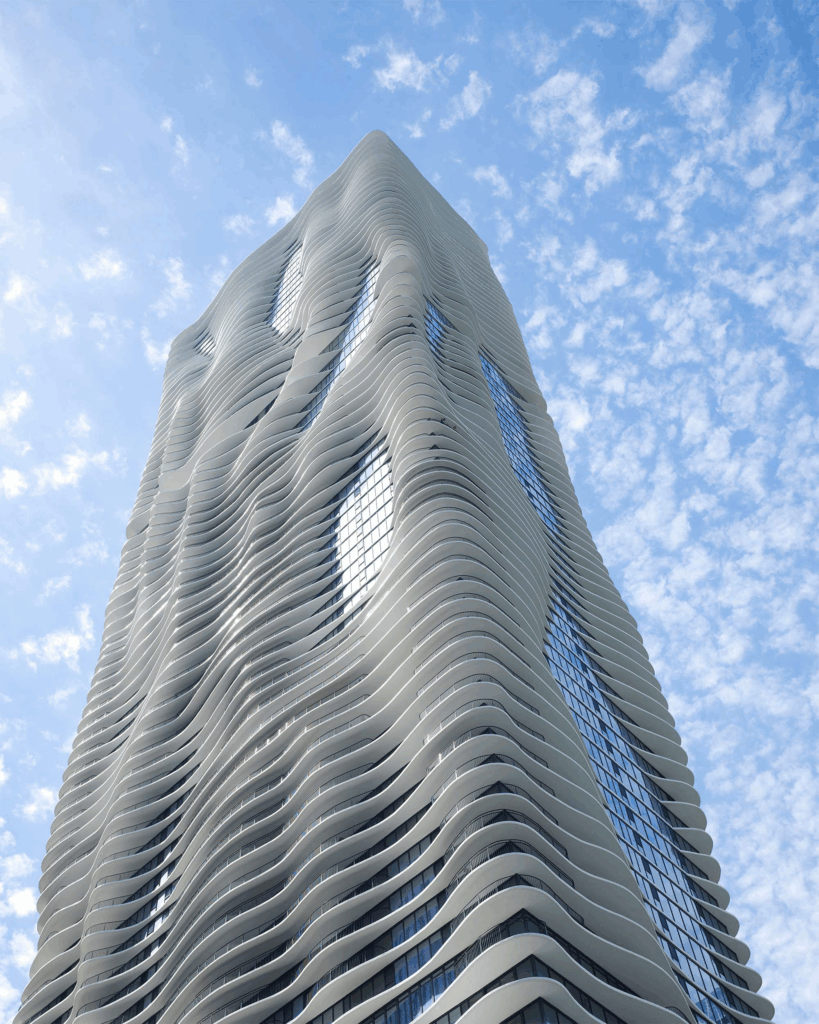
With Studio Gang being headquartered in Chicago, the world first became excited about the Studio’s work on the Aqua Tower. This undulating 82-story skyscraper is an ambitious feature on Chicago’s skyline, characterized by its organic expression and soaring riveted balconies. Already an instant landmark for Chicago’s architecture, it is less than her work exudes beauty, which encapsulates what makes Gang such an extraordinary character; it is the belief that architecture can be the tie that connects us all to the natural world.
Gang’s work often asks: how can buildings create connections? How can design allow us to rethink our broken connections with nature? Her previous projects and policies set an example, redesigning firehouses to become gathering places for civic engagement, aquatic centers with humidified ecosystems embedded throughout, and variously creating purposeful connections that go beyond beauty for its own sake, and assessing how architecture influences behavior and connections.
Gang is a strong advocate for using design to tackle environmental problems. With Studio Gang, she has led pioneering efforts to retrofit high-rises to provide bird-safe glass, supported the use of solid, environmentally sustainable building materials, and advocated for biodiverse roofscapes. She understands architecture as part of an ecological system – that even the smallest decisions made during the design and construction of a building reverberate through a city and its ecosystems.
In addition to her buildings, Gang has also voiced concerns about equity and social equity issues within and around her design profession, mentoring women’s and diverse voices in architecture. She is a professor at Harvard Graduate School of Design, where she will regularly use her public equity voice to remind people that equity matters for everyone involved in shaping our built and constructed environments.
Why is she important? At a time when architecture is often criticized for primarily serving the many at the expense of the few, Jeanne Gang takes it a step further by demonstrating how simple design can be part of civic responsibility, ecological stewardship, and empathy in human interaction. She proves that an extraordinarily high design extent extends much further back from what is represented at the highest points of structures looking up into the skyline. Still, she spreads out and connects into parks, waterways, and neighborhoods by recognizing a life that has a subjective architecture within the limits of time and material.
The impact of Gang will only increase globally, as she has new work from New York City to Paris, with an impressive list of projects that are either on-site or imminent. Whether it is conceptualizing cultural institutions, new visions for waterfronts, or public developments where people live, she is making the profession a site where relationships matter as much as buildings.