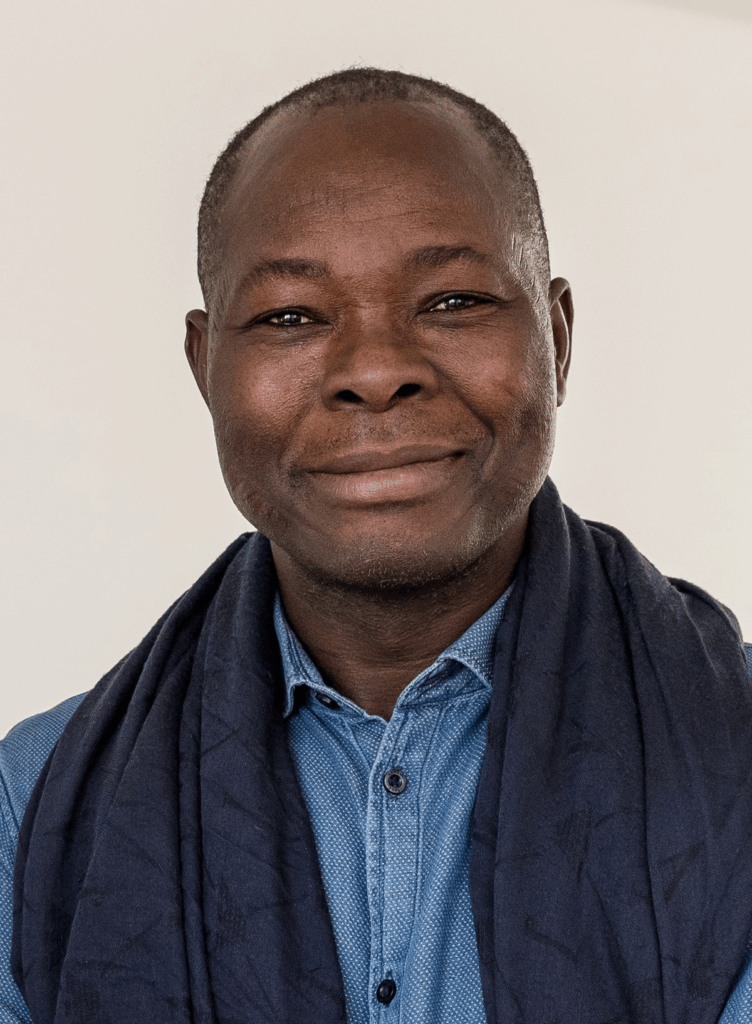
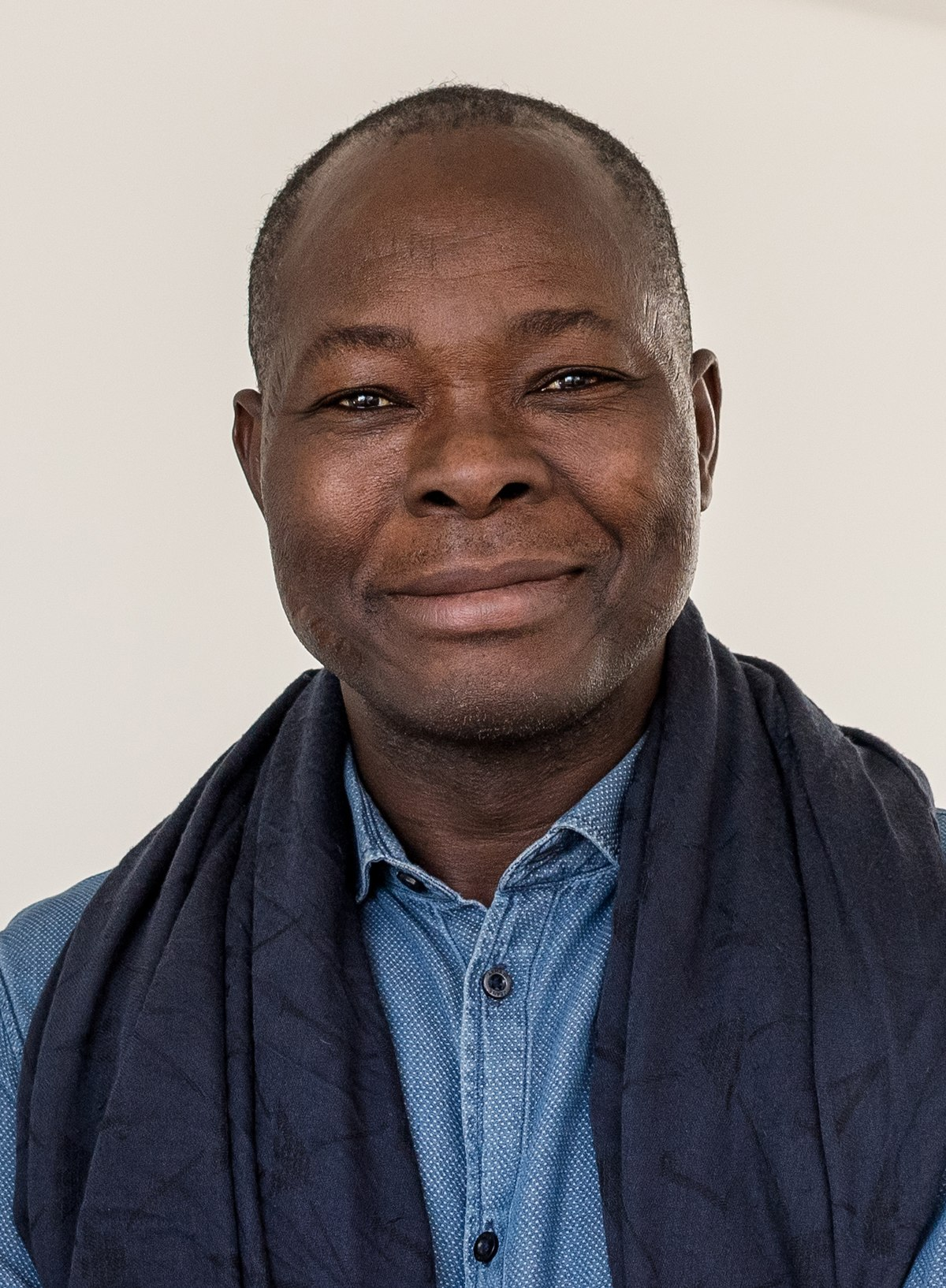

Architecture is approached in a different state of urgency in West Africa. Diébédo Francis Kéré, from the small village of Gando, Burkina Faso, has never viewed design in terms of aesthetics or ego, but rather as it relates to survival, dignity, and opportunity. Kéré is now the first African architect to receive the Pritzker Architecture Prize (2022). He asked a simple question: ‘How can architecture be useful to those who can use it most productively?’
Kéré grew up in a village where classrooms were dark, hot, and had very little to support formalized learning. Kéré studied architecture in Berlin, and upon returning home to his town, the first thing he wanted to do was improve his home village through design. He could use clay bricks and community labour; this was Kéré’s very first building project, the Gando Primary School (1998). It was not complicated in budget – in fact, it was a genuine contribution compared to others. At Gando Primary School, natural ventilation, shaded areas, and materials were all well considered, demonstrating that sustainable architecture through local and culturally responsive practice could provoke and change an entire community.
Participatory design is an essential pillar of Kéré’s practice. The buildings do not descend from the sky into the village—they are made, just like the local people have always made, and even provide pride when they can build openly with design. A school made of mud bricks, a health clinic out of local stone, and a cultural centre from timber, all of which had been oriented away from the sun, must do more than provide shelter; they must offer an adaptive, low-maintenance, comfortable, and secure opportunity. Kéré’s architecture asserts relational power – inhabitants do not simply inhabit a building; they can build a future, through building.
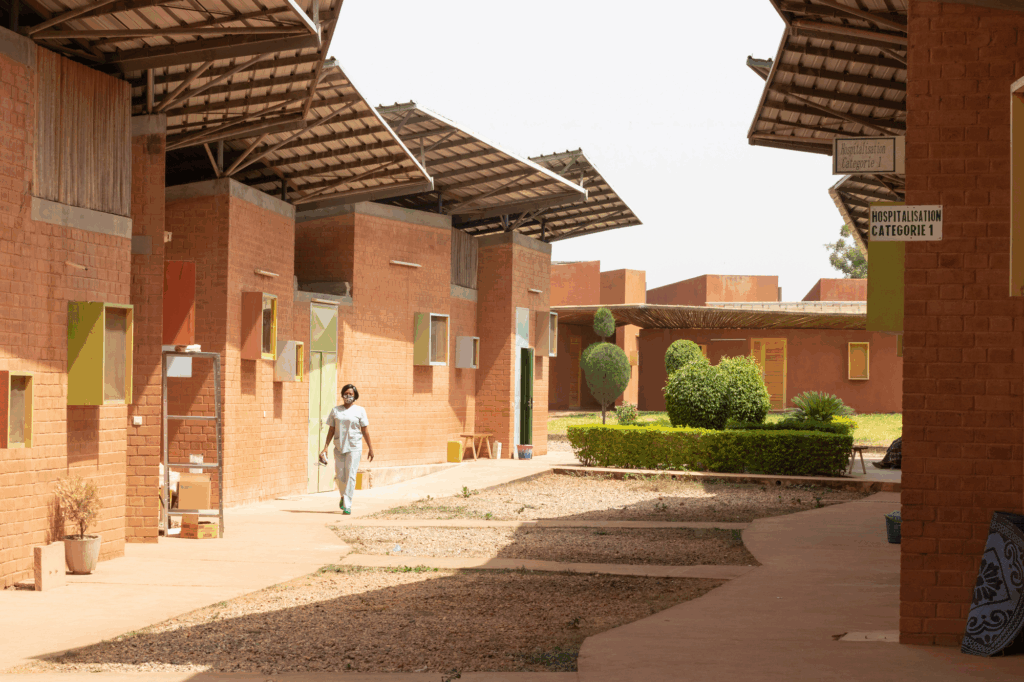
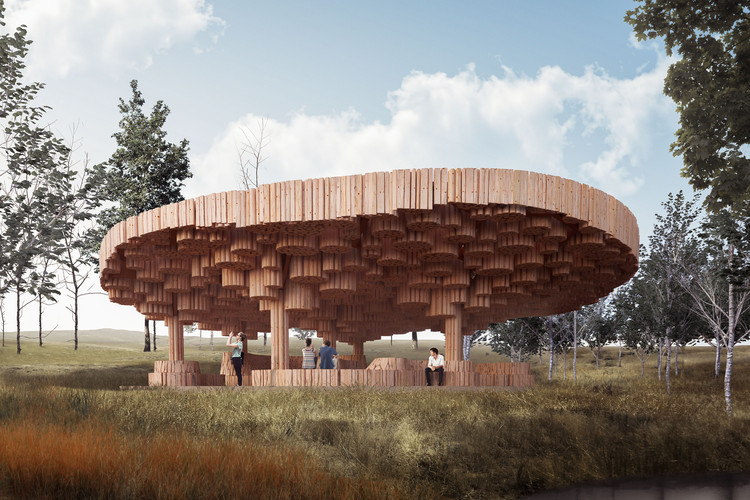
Kéré’s projects have expanded from Gando to include health clinics, cultural centers, and schools across Africa and beyond. The mission remains unchanged: to preserve local building traditions and regional climatic realities, while incorporating satellite architecture and active social development initiatives. Kéré suggests that great architecture is not financially or resource-intensive; instead, it should be innovative, inclusive, and human-centered.
Upon receiving the Pritzker Prize, Kéré reflected that it was not he alone who was receiving the award. Still, it was with the people and their communities that he had learned the importance of community and the resilience of their shared beliefs. This is a global sector that calls the profession of architecture to expand its visions; to think about the brick and mortar of glass and steel towers, as well as the flexible, colourful, and beautiful structures of mud, walls, shade, and collective action.
From a clay classroom in Burkina Faso to a world audience, the project has continued to demonstrate the power of design in the hands of the people.