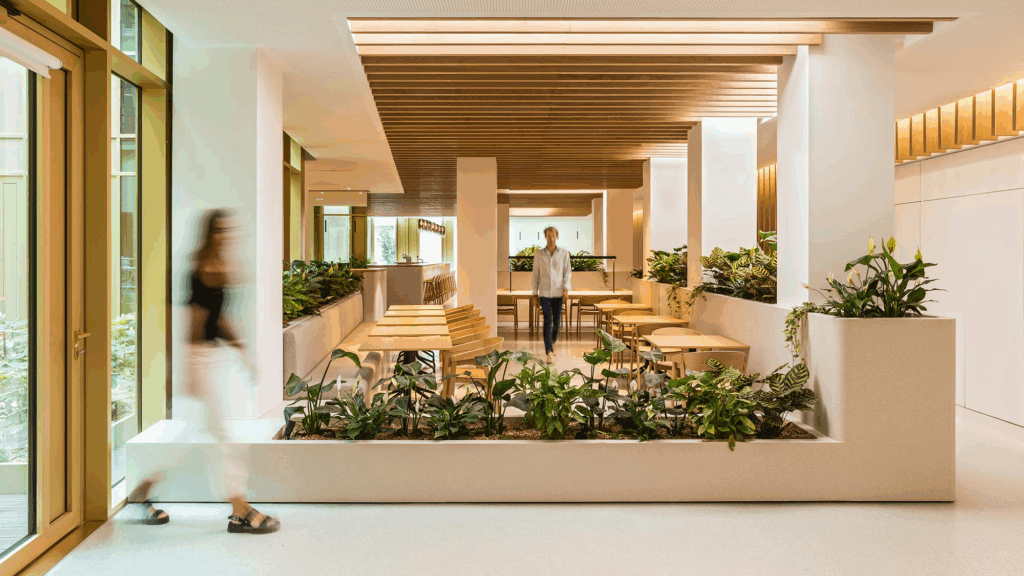
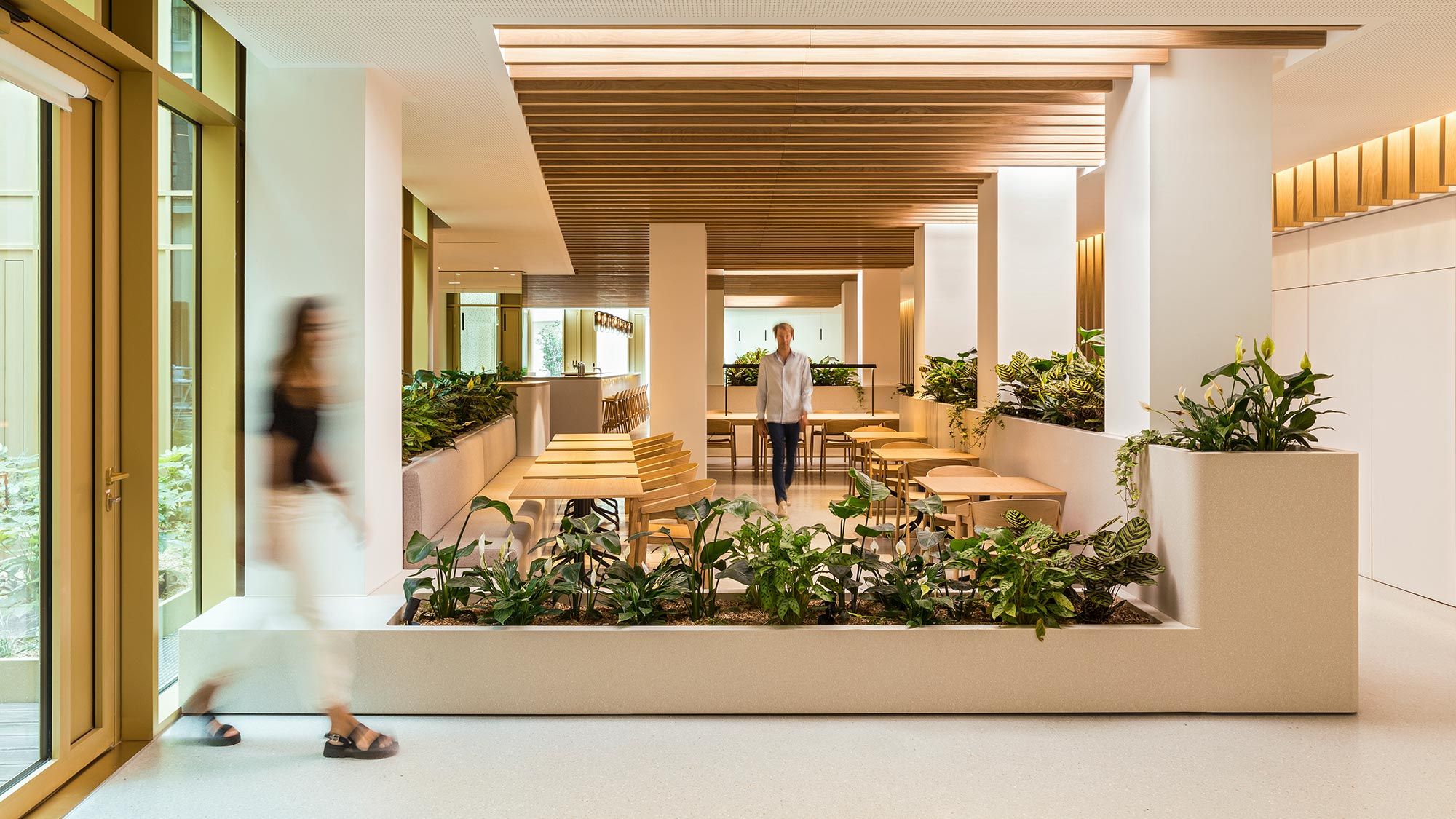

In recent decades, architecture has been redefined not just by technology but also by the growing understanding and acknowledgment of our psychological connectedness to nature. Biophilic micro-architecture is a design approach that combines designs that contain small, efficient built spaces with biologically living systems, natural materials, and ecological sensibilities. Perhaps you have seen modular backyard studios with vertical gardens or a tiny prefabricated cabin with a roof that subtly merges into the forest. The new architectural horizon is about much more than efficiency: it is about rekindling human connectedness to the natural world, even when it is at the most minor scale.
Unlike traditional or contemporary minimalism that tends to rid an architectural or living space of the organic elements in favor of a clean-lined, curated experience with obscure surfaces, biophilic micro-architecture engenders a creative acceptance of imperfection, texture, and growth. Planted walls become living facades with moss and climbing vines; skylights become moments of shifting daylight; and small floor plans become extensions through courtyards or rooftop gardens as we create micro-ecosystems. These designs will serve as an antidote to their reduced square footage by offering experiences that nourish our sensory and emotional lives.
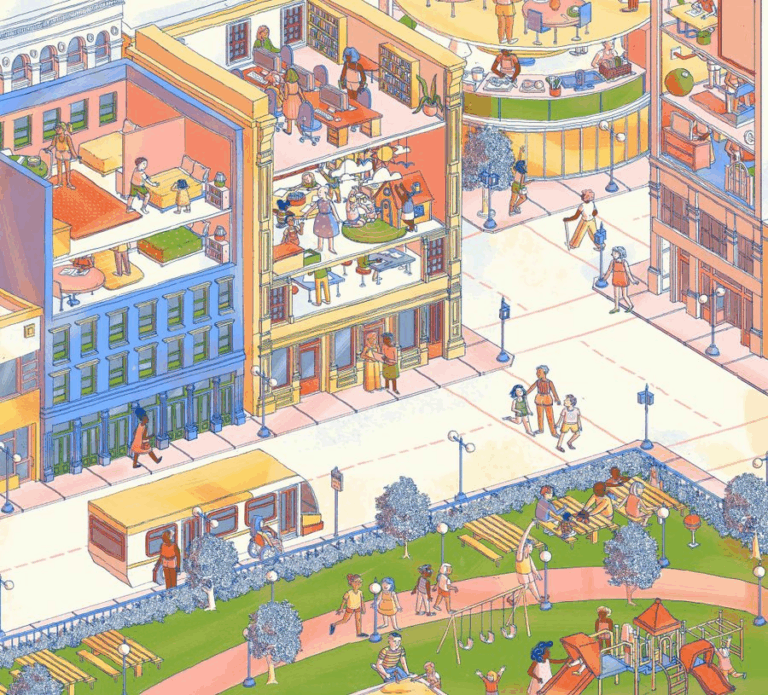
What is significant about this movement is its scalable nature. In highly dense cities where available land is scarce and in various states of affordability, biophilic micro-defined homes and workspaces provide a glimpse into different ways of living lightly, while discovering more quality of life in our choices. In rural locations, they provide examples of off-grid resilience culturally and ecologically. Globally, their influence is emerging within the architecture space, demonstrating how compact living with the sensibilities of biophilia can inform thinking about sustainable urbanism for the next generation.
As biophilic micro-architecture becomes a more visible element of our built landscape, it will represent a subtle but radical rethinking of architecture, where the goalposts are less about monuments and more about moments – intimate, closely held moments of experiencing light, air, greenery, and belonging. In an age of intersectionality in mental health, sustainability, and affordability, this relatively small but mighty design shift might completely redefine how we think about home and in the city.