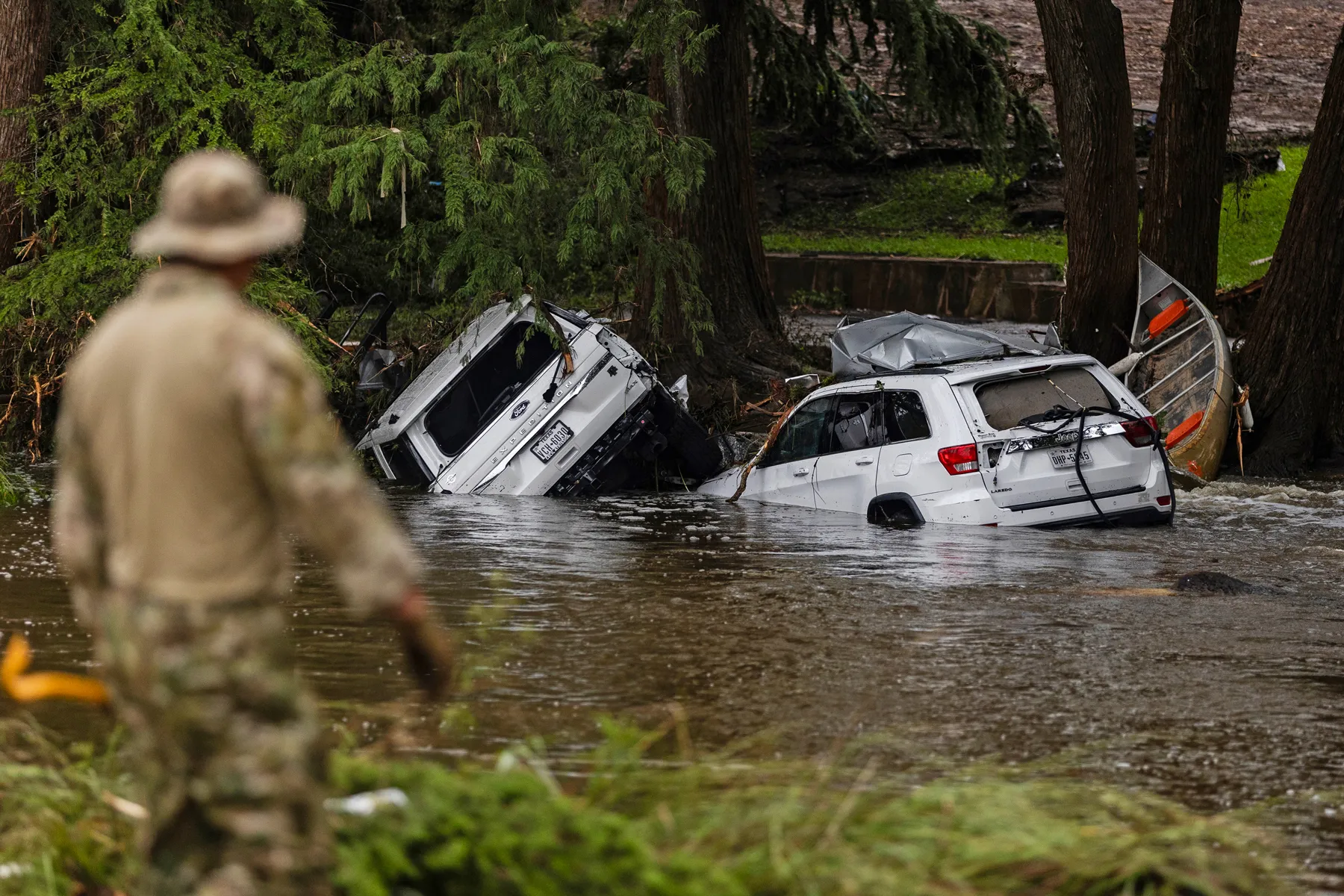

Week 7: A Hill Country Disaster
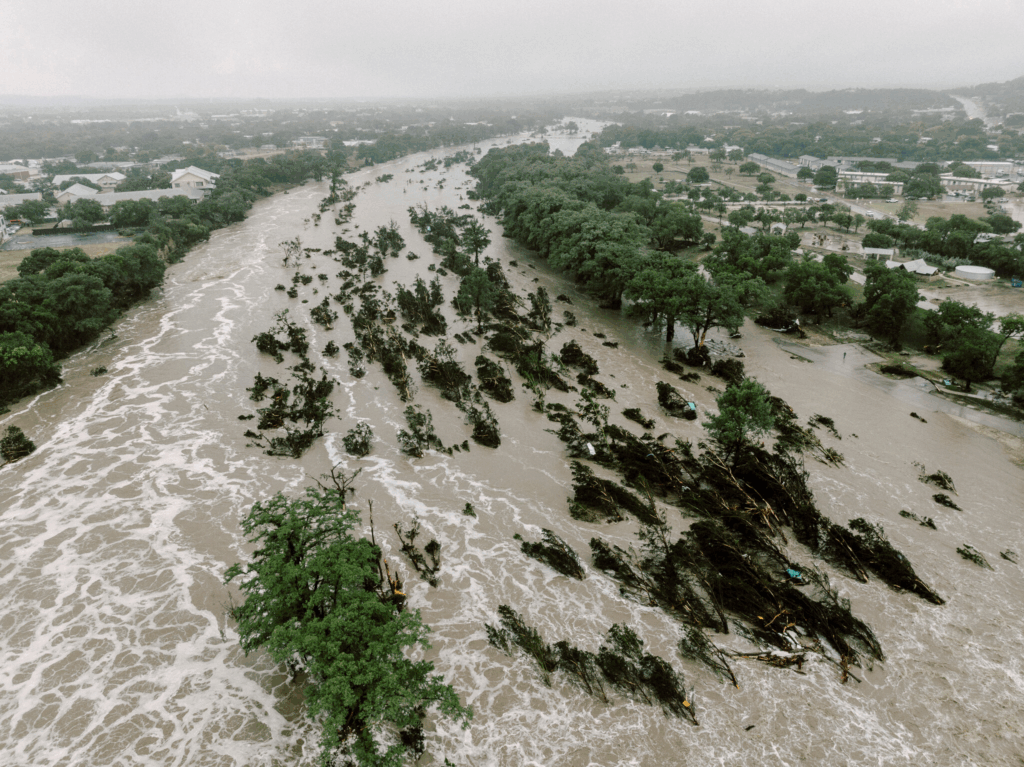
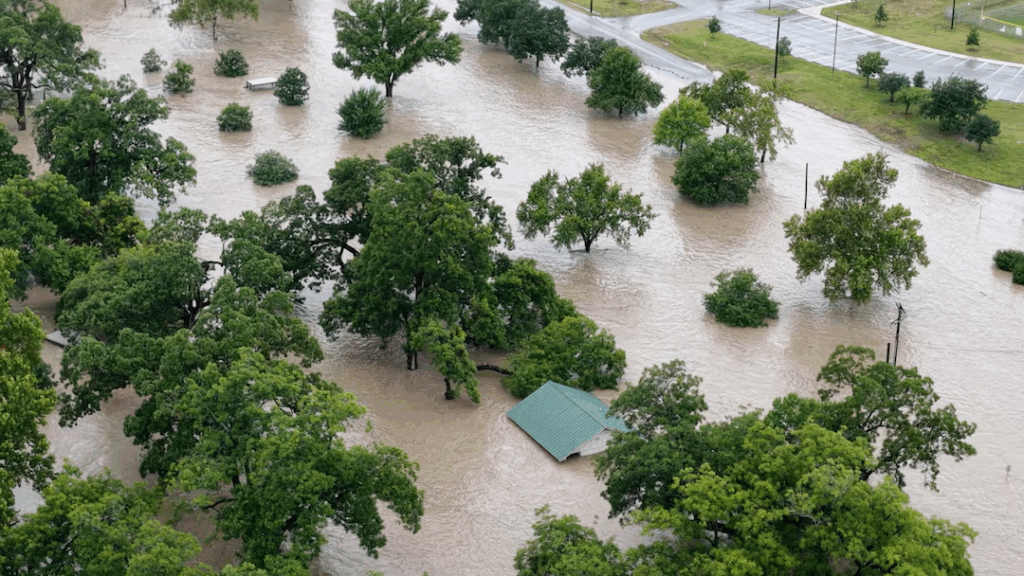
In early July 2025, Central Texas—specifically, the beautiful but flood-prone Hill Country—was struck by a catastrophic flash flood that killed dozens of people and placed several communities under water. These floods resulted from torrential rains brought on by the remnants of Tropical Storm Barry and a rare, persistent storm system. Many areas received more than 20 inches of rain in a few short hours, completely overwhelming rivers, roads, and emergency response systems.
At least 89 lives were lost or are missing, making this one of the deadliest flash floods in Texas in recent years.
The Perfect Storm of Risk
The flooding occurred from July 4 to July 7, as storm systems produced heavy rains across the steep terrain of rolling hills with minimal absorption capability. According to the National Weather Service, rivers (such as the Guadalupe River) were reported to rise over 26 feet in less than an hour (CBS News).
Key factors include:
Extreme Rainfall: Areas of Lago Vista, Bertram, and Marble Falls reported totals over 20 inches of rain.
Flash Flood Alley: The topography and, in many areas, the rocky soils on the slopes make the Hill Country a perfect location for flash floods to occur.
Limited Warnings: Weather systems intensified quickly, so many communities had little to no warning and insufficient time to evacuate the area.
Hardest-Hit Areas
The storm system hit with catastrophic force in Kerr County, near the small town of Hunt:
Camp Mystic, a girl’s summer camp, has had a tremendous loss. More than 27 campers and staff were confirmed dead; many more were unaccounted for (Reuters).
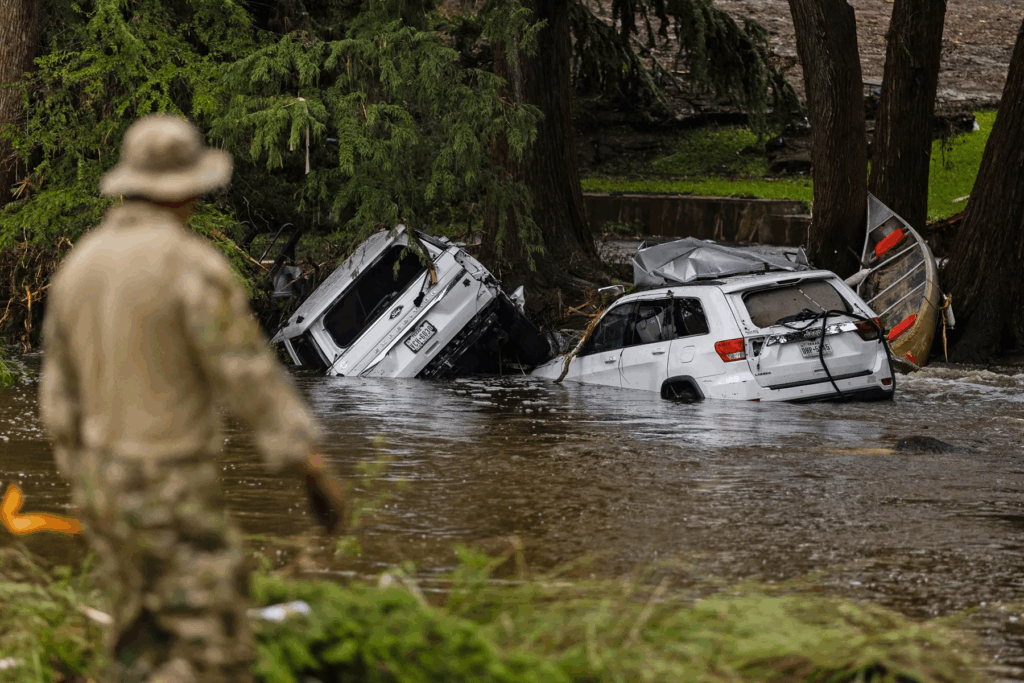
The neighboring cities of Kerrville, Mason, and Ingram reported significant damage to residential and access infrastructure.
Search and rescue operations involved hundreds of National Guard members and volunteers from local organizations, as well as K-9 units; helicopters and boats navigated submerged streets.
On July 7, the number of confirmed dead rose to 89, and over 40 missing people were indicated (AccuWeather).
A Human and Environmental Disaster
The flooding happened over a holiday weekend, catching families, campers, and tourists off guard. Children, the elderly, and individuals who were not able to escape the rising water in time were among the fatalities.
In response:
- Federal disaster areas were federally declared
- Temporary shelters were opened in Kerr and Travis Counties
- Organizers were beginning to aid in the mobilization of donations, supplies, and volunteers
Why It Matters
Emergency managers and scientists cited this occurrence as additional evidence of worsening weather events linked to climate change. Warmer air contains more moisture, resulting in more intense localized rainfall, especially in areas with little to no flood mitigation measures.
This flood underscores:
- The need for urgency about hazard mitigation and disorderly climate adaptation
- The necessity for improved early warning systems, especially in the flash flood alley
- The human cost attached to expansive form-based development planning that ignores the closure of hazards in suboptimal infrastructure in risk-prone areas.
What Comes Next:
The 2025 Texas flood is sparking discussions about public safety and resilience. Experts and officials are calling for the following:
- Flood warnings and emergency communications systems upgraded and funded
- Zoning codes changed to restrict the ability to build in high-risk areas
- A focus on implementing green infrastructures, such as rain gardens or other permeable surfaces
- Planned climate-informed policies for long-term disaster preparedness for Texas
How You Can Help
Donate to disaster relief funds for families affected by the flood in Kerr and surrounding counties.
Volunteer with local organizations to aid in disaster recovery and rebuilding without the burden of unnecessary rules and restrictions
Be informed of local flood risk when it arises, and encourage resilient infrastructure policy in your neighborhood
The flood of 2025 serves as a stark reminder of how swiftly nature can overwhelm popular and prized places. Texas is grieving its losses, but at the same time, has the opportunity to “rebuild” not necessarily in bricks, mortar, concrete, and steel but with care, foresight, and a stronger community.