
When discussing food systems, it’s common to think of farms, markets, or restaurants. However, architects and urban planners are increasingly being included in the conversation. The way we grow, distribute, and consume food is connected to the built environment. Design can facilitate a significant shift in how cities nourish their residents.
One of the most exciting developments in food systems is vertical farming. Rather than growing food in large expanses of land, food is grown in stacked layers in warehouses or other tall building structures. Cities such as Singapore and Tokyo are already experimenting with these forms of cropping in what would otherwise be vacant lots and rooftops. In addition to being land efficient, vertical farms’ proximity reduces food transport emissions, minimizes supply chain distance, and provides the densest urban areas with fresh produce.
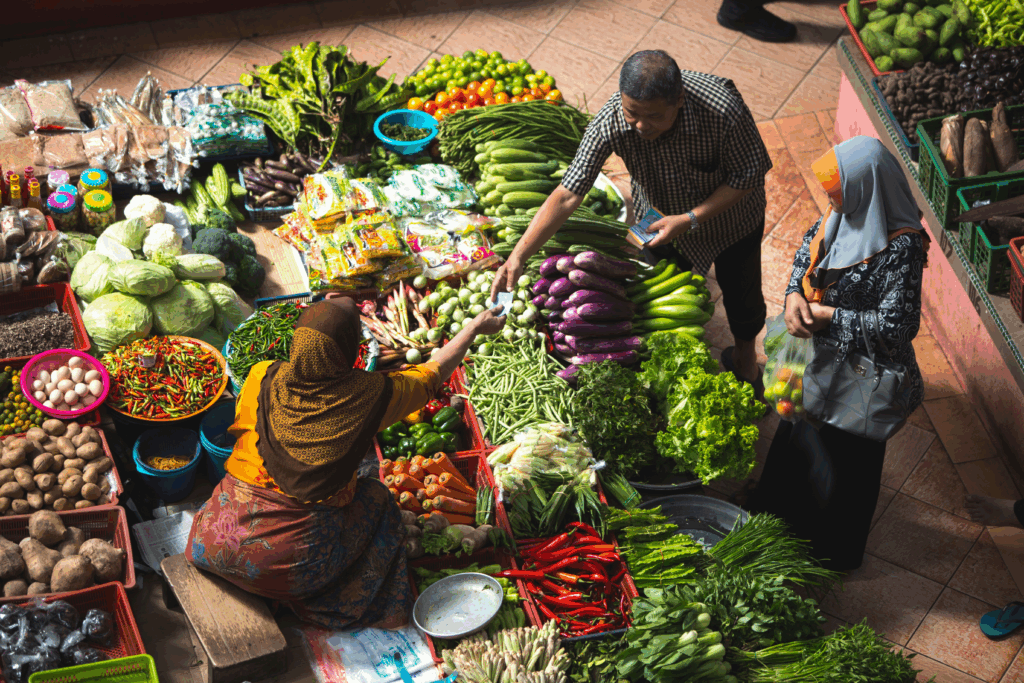
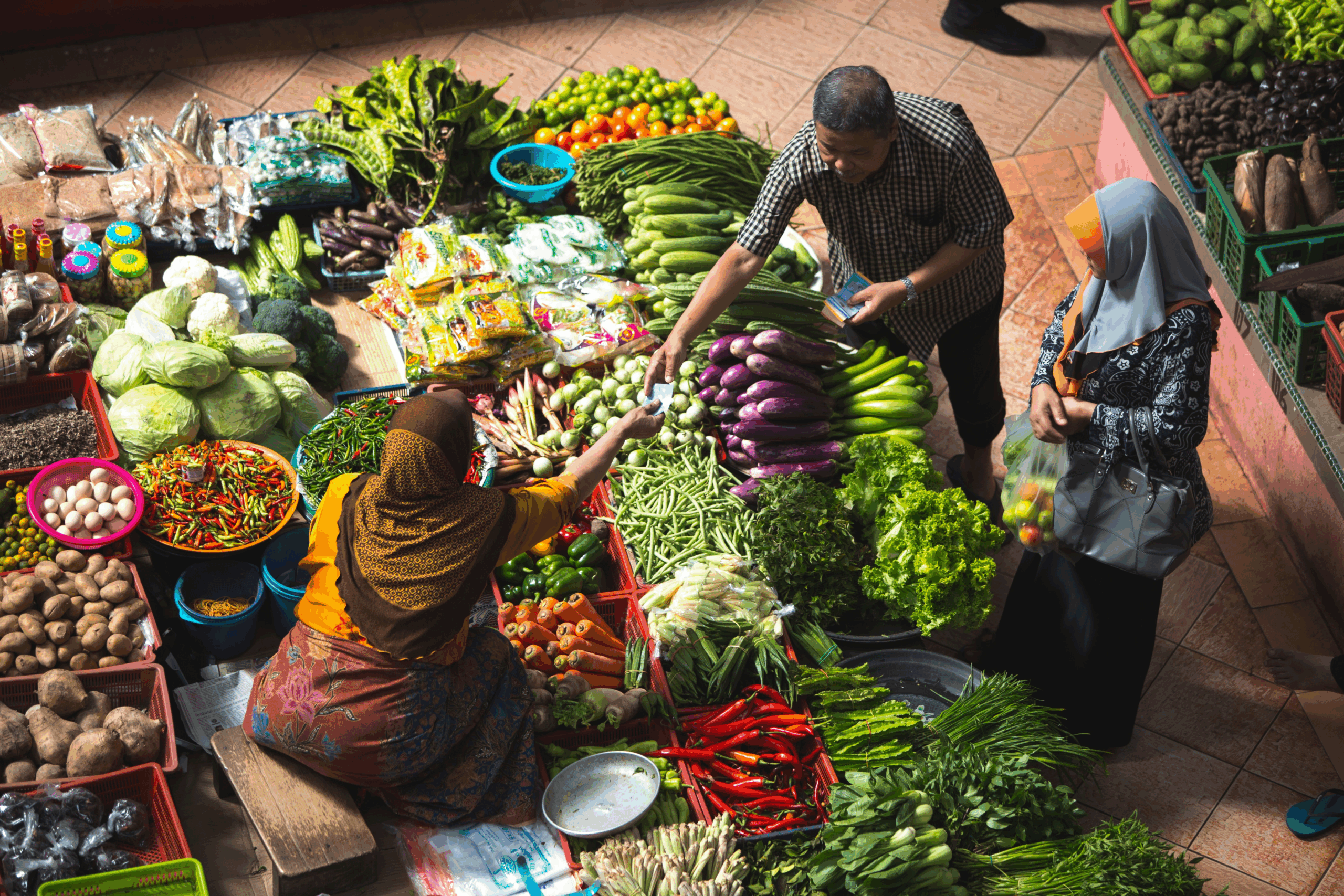
Architects can design production and consumption spaces that also mediate the connections between residents and the source of their food. Community gardens, urban agriculture, and food cooperatives, among others, not only provide residents with food but also offer them a connection to and a sense of community. In areas where fresh food is limited, these forms of social architecture exist to directly confront food insecurity while simultaneously providing a means for social connection. For architects, this means designing spaces that are not only appropriate for production and consumption but also equitable and accessible for all.
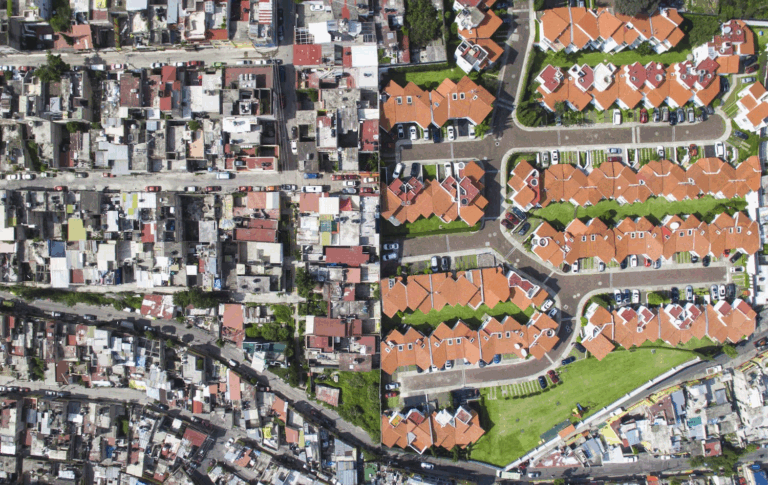
Also, the food sector cannot be overlooked for its role in achieving sustainability. The food sector is responsible for almost one-third of today’s global greenhouse gas emissions. When food systems are considered in urban planning—such as integrating greenhouses in schools, compost systems in apartment complexes, and farmer’s markets in transportation hubs—designer and planning professions show potential to close the loop regarding consumption and production. Waste from a meal becomes fertilizer, buildings become farms, and neighborhoods become ecosystems.
Universally, the future of food is in the hands of farmers and policymakers, but now, architects too. Urban expansion and the increase in global population will drive the conversation on sustainably feeding billions, urging the need for both technical and spatial solutions. Food system architecture is one way to think about making cities more sustainable, resilient, and nourishing (in both senses).