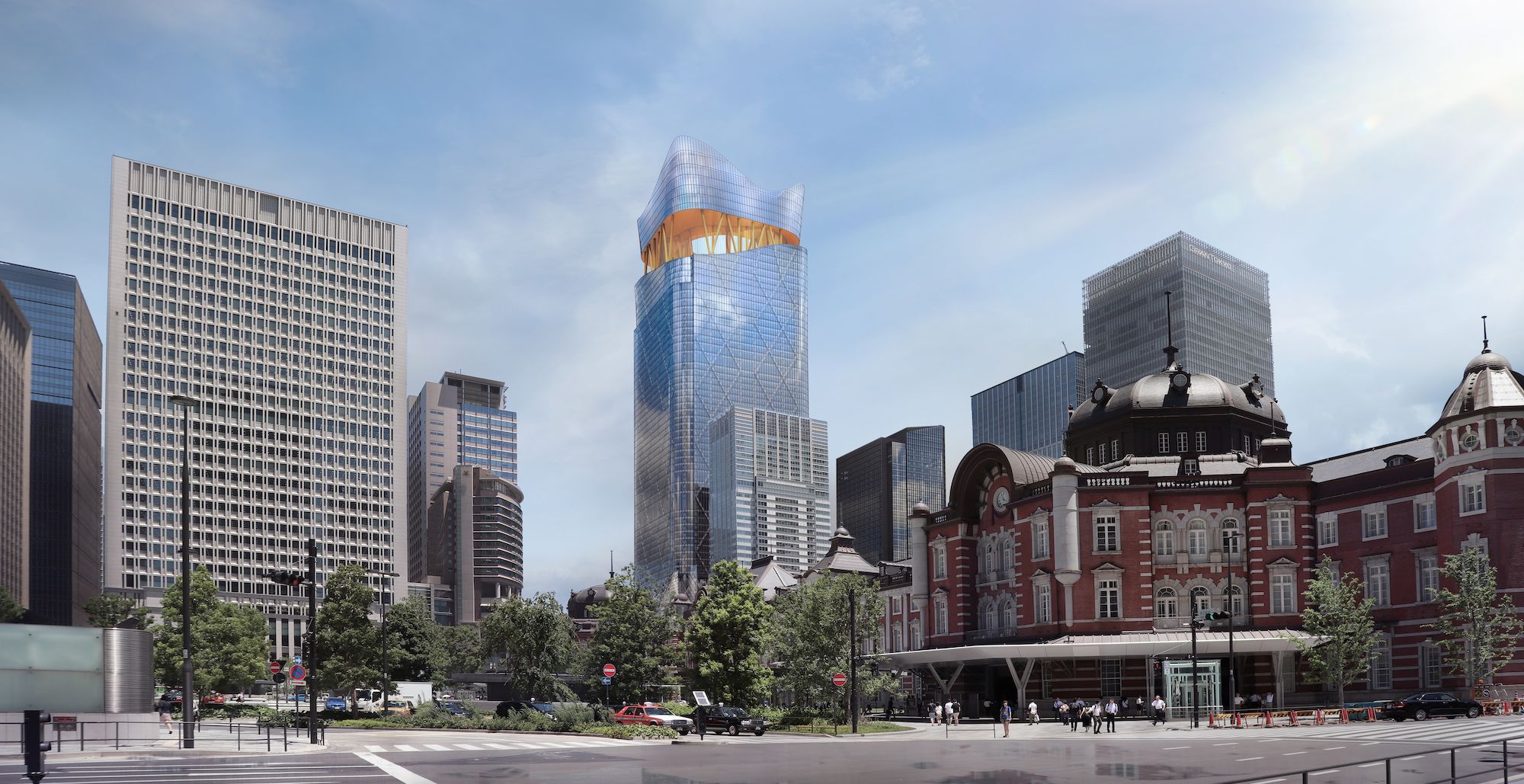

In July 2025, Tokyo finally celebrated the opening of the almost 400-meter (1,280 feet) Torch Tower, Japan’s tallest building. Designed by Mitsubishi Jisho Sekkei in collaboration with several international partners, this new skyscraper not only sets a height record but also benchmarks the next generation of urban architecture in Japan, climate resiliency, and a post-pandemic city.
Torch Tower is situated in the heart of Tokyo, in the Marunouchi District, adjacent to Tokyo Station. This massive structure features department stores, luxury hotels, and residences, as well as what its designers call “a vertical city for the next century.”
A New Icon in the Skyline of Tokyo
Torch Tower is the focal point of the Tokyo Torch reconstruction project, a multi-phase urban renewal project aimed at redeveloping a large commercial district into a human-scale, mixed-use core that is both more resilient and climate-friendly.
Some of the key features include:
- Offices, luxury housing, and the Torch Tower Hotel featuring views of Mount Fuji
- A public observation deck (Japan’s highest) with expansive views of the city
- Earthquake-resistant engineering significantly exceeding Japan’s already strict seismic code
- Integrated vegetation from terraces to rooftop gardens to increase biodiversity and reduce urban heat islands
Even the sculptural, flared crown of the building is meant to recall a flaming torch, a symbol for hope and renewal for Tokyo’s architecture.
Engineering Innovation
Torch Tower shows how super-tall buildings in seismic locations can combine beauty with function:
- Vibration control and engineered cores to withstand earthquakes.
- Energy-efficient HVAC systems integrated with carbon-reduction plans that align with Tokyo’s new 2050 sustainability goals.
- Water reuse systems and green solutions to mitigate the heat island effect.
- This cutting-edge thinking will provide a plan for future development of urban megastructures in Asia and around the world.
Why That Matters
Torch Tower recasts the larger trends in contemporary architecture today:
- Verticality in urbanism – a new model for density of living, working, and leisure into a compact footprint.
- Post-pandemic architecture – what flexibility looks like with emphasis on both health and wellbeing through light, ventilation, and access to green space.
- Climate-positive skyscrapers – height, yes, but not as an afterthought to sustainability.
Lastly, there is a meaningful symbolic gesture between this skyscraper model of living and the critical commercial offices and buildings of the last century, as well as towards the resiliency that our local and national communities can create with their aspirational, livable urban form.
The Future
Torch Tower will inspire future conversations in:
-How do Asian megacities balance density with livability?;
-The role of high-rise in climate adaptation, also recognizing that climate considerations have already influenced the development decisions of rich and poor countries, looks at Hong Kong and the states of Florida and Texas.
-The quest for vital communities in vertical cities rather than horizontal sprawl.
While its success—or challenge—will extend beyond Japan and into growing cities facing land scarcity, climate risks, and shifting degrees of hybrid work-from-home arrangements.
Want a Visit or Learn More?
Visitors can explore the public sky deck and experience exhibitions that illustrate Tokyo’s evolution as a city and in architecture. Architecture students and practitioners can learn more about the Torch Tower case study and experience publications and tours through Tokyo Torch’s official channels.