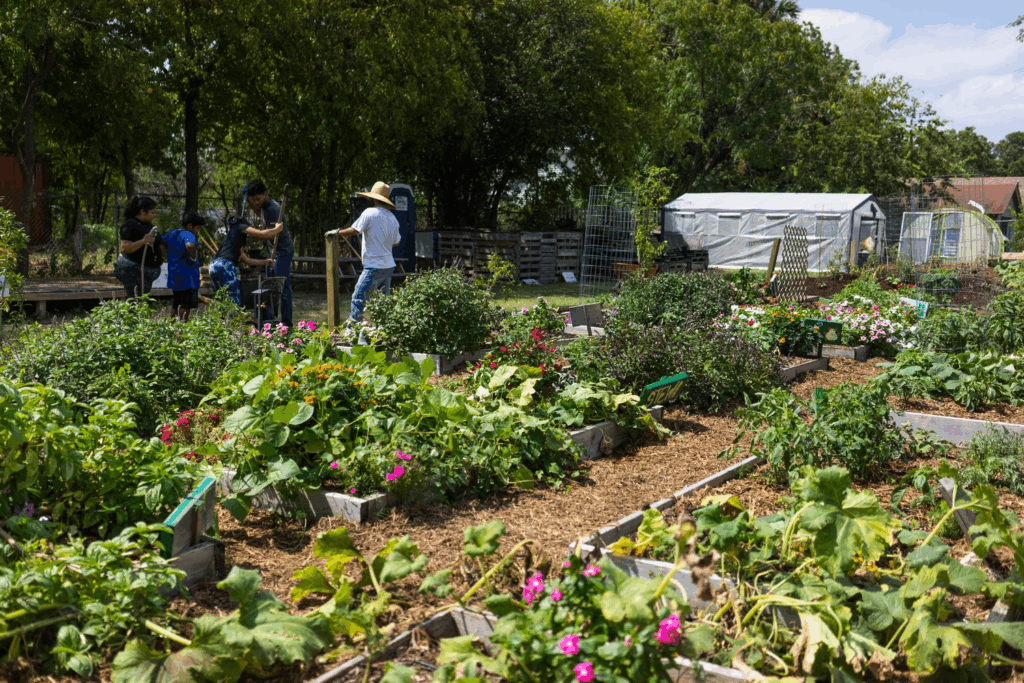
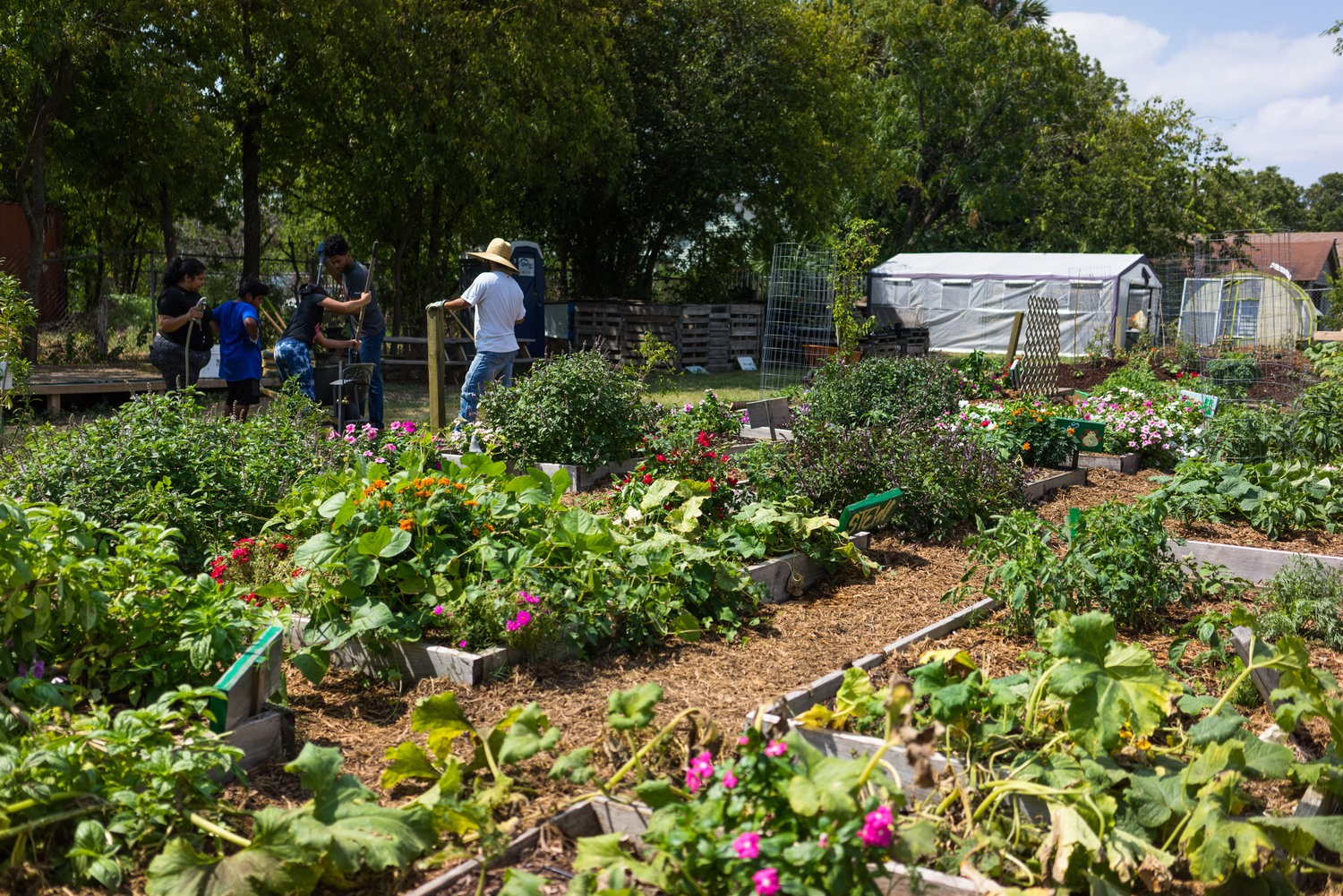

A quietly revolutionary project was born on San Antonio’s East Side in Spring 2025. Gardopia Gardens was in the process of transforming from an urban farm into an exciting new “agrihood” on the East Side, with sustainable food production, affordable housing, educational, and community space. With the leadership of nonprofit founder Stephen Lucke, Gardopia is extending its reach beyond rows of fruits and vegetables to exploring how neighborhoods might be able to grow together.
Rather than building a high-rise or monumental development, this project is contextual in human scale. The agrihood includes three residential units, designed with intention and positioned adjacent to the farm – one unit for a residential garden steward, one affordable, and 1 short-term rental. On another site, six more homes would soon be realized: two short-stay units and four affordable apprenticeships made from shipping containers, each featuring eco-friendly amenities like rainwater harvesting, compost systems, and rooftop solar. The shared facilities – a community kitchen, dining area, cozy lounge, and integrated community garden – would be built around and anchored to establish this new living neighborhood, with construction starting in May and onwards from 2030. San Antonio Express-News
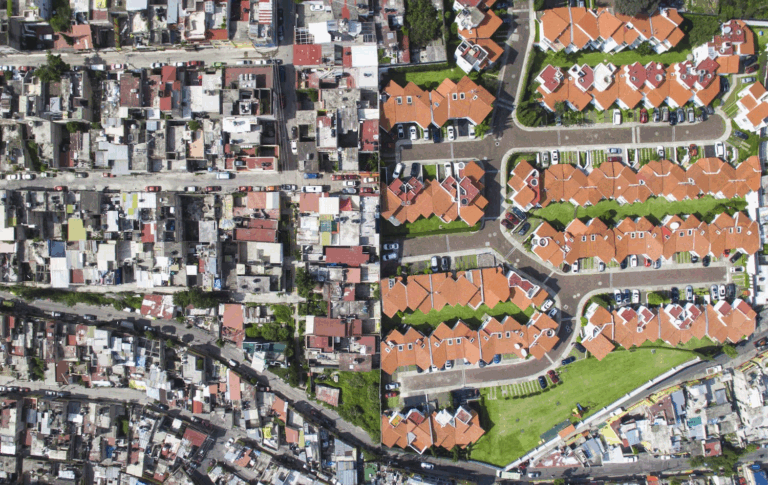
Gardopia’s agrihood is compelling for its layered resilience. It creates food sovereignty, connects home affordability, promotes sustainable living, and accelerates local agricultural apprenticeship development. In a time when urban disconnection appears rampant, this project reframes how a community may be able to grow, through the very greenspace that sustains it. It is architecture as social infrastructure, where homes and harvest coexist.
If Gardopia can model an agrihood like this, it could influence a rising trend of farm-based, multi-use communities – not just in San Antonio, but through cities around the world – where meals, mentorship, homes, and ecology are interconnected. It has the potential to demonstrate that impactful design does not have to be seen in the skyline; it can also be seen at street level, in a garden, in people.
Read More Here: SFChronicle