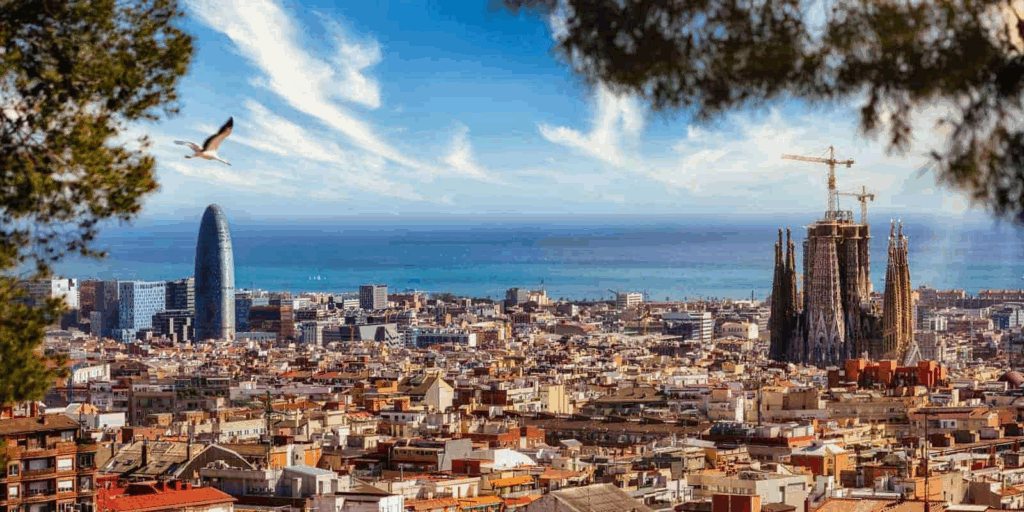
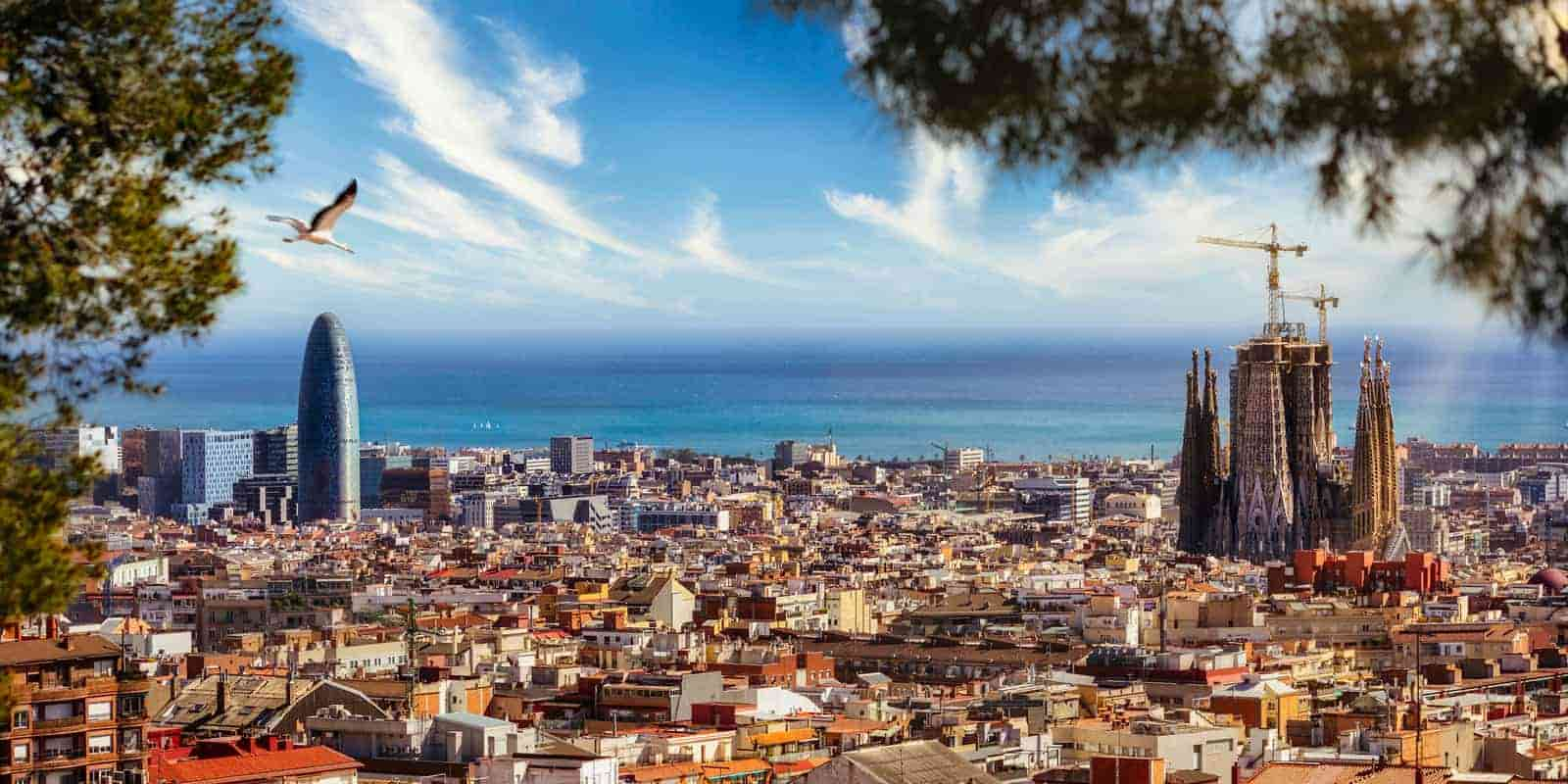

When we think about ‘design,’ we tend to emphasize the visual: a skyline slicing across the horizon, the reflection of light on glass towers, the symmetry of a historic screen. But the built environment is visual and acoustic; every street, plaza, and building has its own sonic identity, or soundscape – an echo of footsteps in a train station; the spill of water in a courtyard; the buzz of traffic on an overpass.
More and more architects and urban designers are beginning to think about sound as a design material rather than an afterthought. This notion, a.k.a. ‘acoustic urbanism,’ is starting to change how we think about ‘healthy’ and ‘livable’ cities.
The Problem with Noise
Noise is one of those things we tend to take for granted. Noise in urban centers (e.g., road traffic, aircraft noise, and industrial noise) is a stressful experience and causes disruptions in sleep, according to the World Health Organization. Chronic exposure could lead not only to stress and sleep disruption but also to cardiovascular disease. Urban noise levels for the typical metropolitan resident are often at decibel levels much higher than our ears and nervous systems evolved to handle.
But not all sound is bad. Some urban sounds, like the buzz of a market, the bustle of conversations in a café courtyard, the bells of a church or temple, contribute to place-making. Some sounds can help to make a place more livable, more interesting, more usable. The task, therefore, is not to reduce noise, but curate sound: filter out the harmful parts and amplify the meaningful ones.
Designing with Sound
Cities like Barcelona have developed “sound maps” that document the acoustic feeling of diverse neighborhoods, spanning from the quietude of residential streets to the excitement of a nightlife area. In Singapore, planners are including sound within their analyses during new developments, sometimes implementing green buffers and different building orientations to mitigate the noise from busy roads. In Copenhagen, however, architecture practices facilitate sound simulations that test how new plazas and public spaces “sound” before construction, to create social spaces that invite conversation instead of obscuring it.
Furthermore, architecture offers powerful weapons for approaching this challenge: a courtyard can be a natural amplifier of voices and music; a wall of trees can buffer the sounds of a busy highway; a water feature can mask mechanical humming, substituting a harsh frequency with the natural rhythms of water. Moreover, building materials (e.g., brick, glass, wood) carry their unique acoustic characteristics—the way we feel about a space when it is unoccupied is different than when it is occupied.
Cultural Soundscapes
Sound will also always involve cultural identity. The call to prayer resonated throughout Istanbul, foghorns in San Francisco Bay, the famously improvised jazz leaking from New Orleans bars; these auditory indicators are place-making artifacts no less than architectural landmarks. Ultimately, landscapes of sound are replacing landscapes; soundscapes in the city are experiencing a decline—the noises of the town are being silenced, replaced with the homogenized hum of HVAC systems or the “whoosh” of the streets.
This leads to new questions: should cities be actively preserving their sound heritage, similar to how we protect historic buildings? Some have claimed certain soundscapes can be classified as intangible cultural assets—an idea gaining momentum in heritage circles around the world.
The Technology of Listening
All of this is becoming possible with new tools. The advent of acoustic simulation software enables architects to visualize sound behavior in a building, rather than just visual renderings of the form and light. Similarly, a mobile app can crowdsource “soundwalks” to document residents’ contextual experiences of noise and quiet within their neighborhoods. Even sound artists are collaborating with planners to reintroduce sonic diversity into urban lives, from interactive installations in parks to public sculptures that resonate.
Why It Matters
If the 20th century became about building taller, denser, and faster, perhaps the 21st century could be about carefully designing for human senses. By engaging with sound, architects have the potential to:
- Diminish the adverse health effects associated with harmful noise;
- Preserve cultural sonic signatures and identity;
- Encourage more inviting, comfortable public spaces;
- Reinforce to us that architecture is not a static object. Architecture is alive with rhythm, voice, and resonance.
Ultimately, soundscapes reinforce that cities are not only things we look at, but rather environments we experience and inhabit with our bodies. The sound of rustling leaves along a shady boulevard, the muted hush of a library, the echo of a concert hall; these are all lived experiences from our different senses that influence how we feel about the spaces we occupy.
Good architecture doesn’t silence the city. Good architecture gives the town a voice, one that sings, resonates, and feels like home.