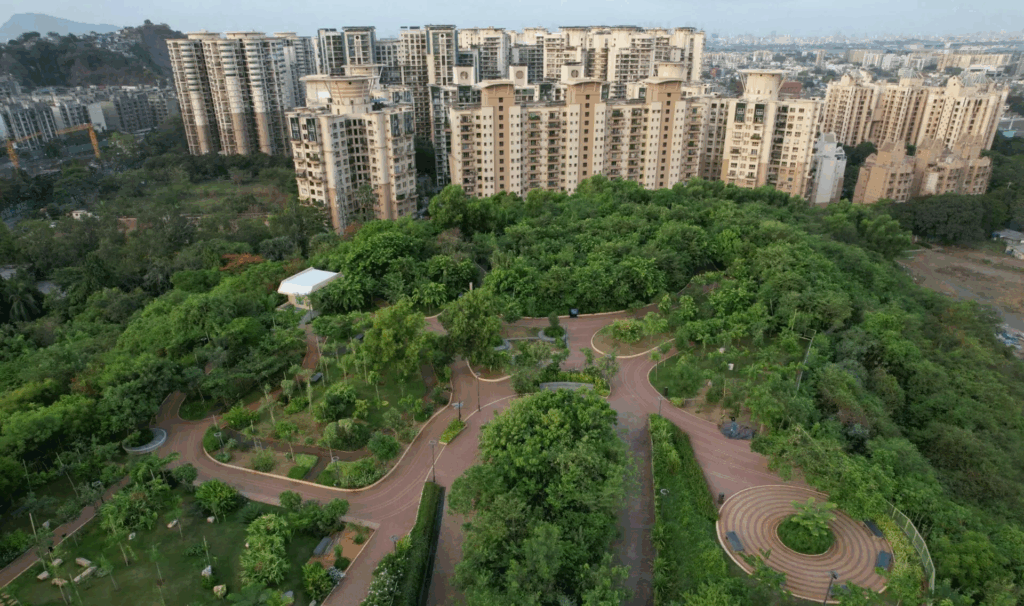
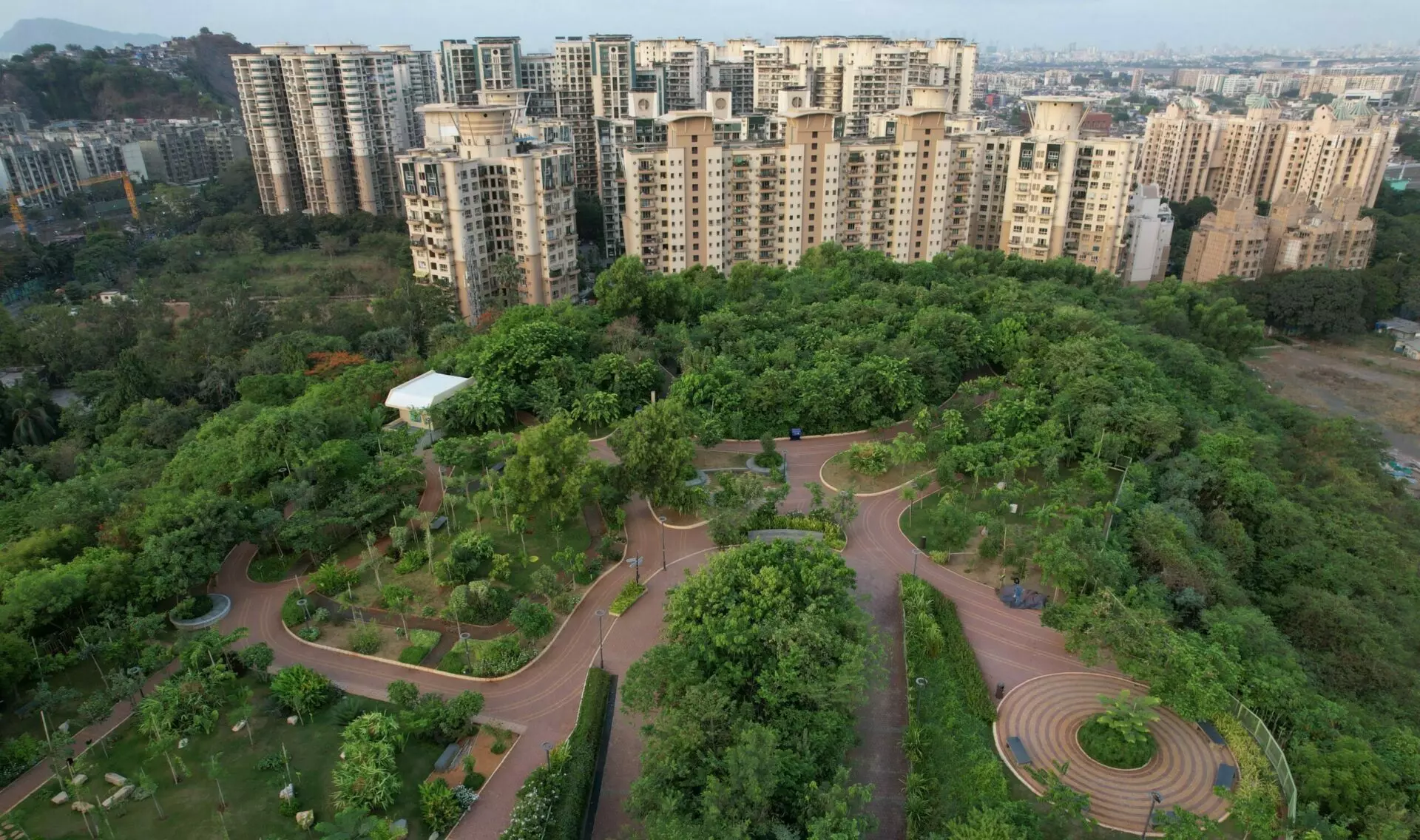

The global city of Mumbai is a place where nature often struggles to exist above blocks and busyness, but a subtle revolution is happening – quite literally. For the past decade, Mumbai has begun to offer a completely different form of urban greening – food forests, landscapes that are biodiverse and planned not only for beauty but to restore and promote sustainability in ecosystems.
Food forests are not simply complex layers of plant systems that hone in their essence as dense gardens. They approach nature with its layers, blending trees, shrubs, and an understory ground, with an eye to biological relationships, extraction, soil repair, and utilizing native species found on-site.
Food forests have a distinct origin story as a seed planted in 2017; when Shridhar Sawant and associates began the project and developed a food forest in a neglected parking lot in the area of Vakola, which doubled down on biodiversity and resilience, whilst increasing diversity in the community. Food forests have been enacted through initiatives such as Dream Grove in Bandra or the Mumbai Farm Project, or developed as gardens with the benefit of beauty and examples of climate-smart urban soil regeneration, groundwater recharge, biodiversity, and of course vegetables and fruits. The food forest advocates who also name parts of their work as edible landscapes, such as Shweta Wagh and designer George Remedios, profess that food forests
It is an opportunity for ecosystems to restore and regenerate themselves, rather than a project of maintained labour.
This understanding of space and urban architecture can assist in offering another lens on planning. Food forests may not be parks or squares, but are living edible ecosystems with the ability to embed ecological resilience into the urban everyday. In an immersed chaotic urban city like Mumbai with its climate trauma and extremes of heat, water stress, and species loss, this greening infrastructure can offer benefits across a number of action platforms but also return an understanding about design that was concerned with supporting nature rather than just adding a décor.
In a way, the future of food forests in Mumbai may be a replicable action tool for cities anywhere – how to mitigate the influence of development on everyday land use and climate extremes, and also a way to reclaim ourselves as ecological stewards. In layered urban greening through food forests, nature leads the way, and the urban identity blooms with possibilities.