
Habitat for Humanity is a global nonprofit housing organization that serves more than 70 countries and was founded in 1976. Above all else, Habitat believes everyone deserves a decent place to live. The organization partners with individuals and communities to find long-term empowerment through affordable homeownership, volunteer-driven construction, and strong community partnerships.
Whether it’s Philadelphia, rural small towns in the U.S., or a community worldwide devastated by a disaster, Habitat believes housing is the fundamental component for breaking the cycle of poverty.
Hand Up, Not a Handout
- Habitat for Humanity doesn’t provide a free home. Habitat partners with home buyers who:
- Contribute sweat equity to build their home or volunteer in the community
- Complete a financial literacy and homeowner readiness course
- Buy the home with an affordable, no-profit mortgage
This fosters long-term stability and pride of ownership, enabling families to build equity and make a lasting investment in their future.
As they say, “We build strength, stability, and self-reliance through shelter.”
Volunteers and Partnerships
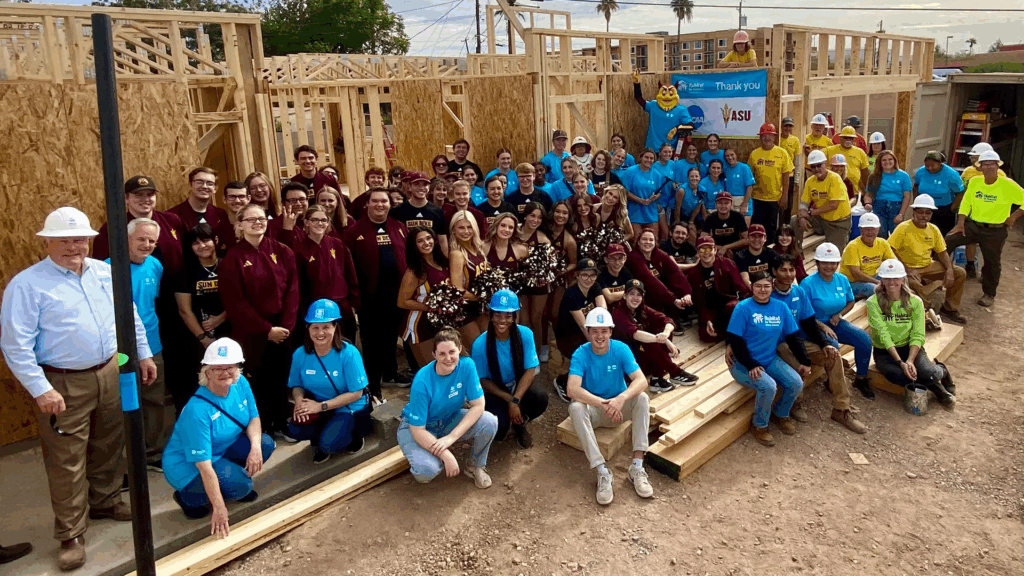
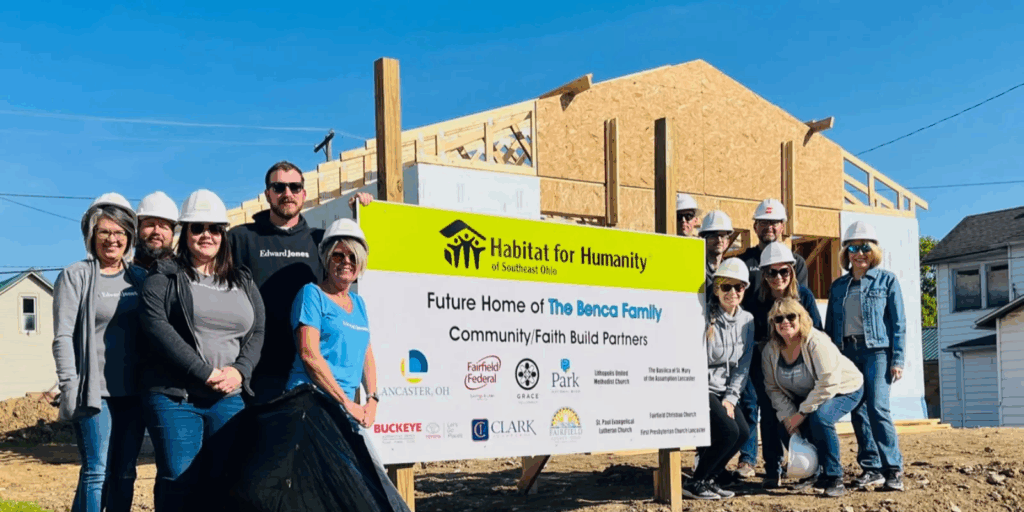
One of Habitat’s strengths is its vast network of volunteers — individuals, school groups, faith communities, businesses, and AmeriCorps members. Habitat volunteers work alongside future homeowners, promoting inclusion and a shared sense of purpose.
Habitat operates ReStores, retail outlets that sell donated goods for home improvement at discounted prices, supporting local Habitat projects. This makes the ReStore retail model economically and environmentally sustainable.
Habitat has strong partnerships with:
- City governments and land-use and zoning
- Corporations and others for funding and materials
- Neighborhood community organizations for community-sourced development.
- Global & Local Impact
Habitat for Humanity continues to make an impact in communities throughout the world where it has:
- Helped more than 46 million people with improved housing conditions
- Built or improved more than 5 million homes globally
- Assisted families through the construction of homes, repairs, and advocacy.
Local Habitat affiliates, such as Habitat for Humanity Philadelphia and Habitat for Humanity SCNJ, operate semi-independently and customize the model to address the specific housing needs within a community; they may be involved in everything from new builds to the revitalization of neighborhoods.
Why Habitat Matters
- Habitat strengthens families and neighborhoods by:
- Providing affordable housing that deepens equity and stability
- Encouraging civic engagement and ownership by building a community
- Creating equitable pathways to homeownership for underserved populations such as veterans, single parents, and seniors;
- Using sustainable and environmentally conscious building practices.
In the face of challenges such as gentrification, climate change, housing shortages, and equity issues in homeownership, Habitat remains the model for creating resilient, equitable communities, a model to be respected and scaled.
What is Next
Habitat for Humanity will continue its legacy of impact by:
- Being involved in advocacy campaigns like Cost of Home, which launched a campaign about housing policy solutions
- A disaster response program that provides shelter for victims of disasters
- Global programs that include developing slum upgrades, land rights, and increased energy efficiency in housing.
The future of affordable housing remains to be seen, but it can be modeled on ideas like Habitat for Humanity, which emphasizes dignity, partnership, and collective action.
Want to Get Involved?
Visit www.habitat.org to find your local affiliate, register to volunteer, and make a donation through our donation and ReStore shopping programs.