
A Climate Alarm Grows Louder
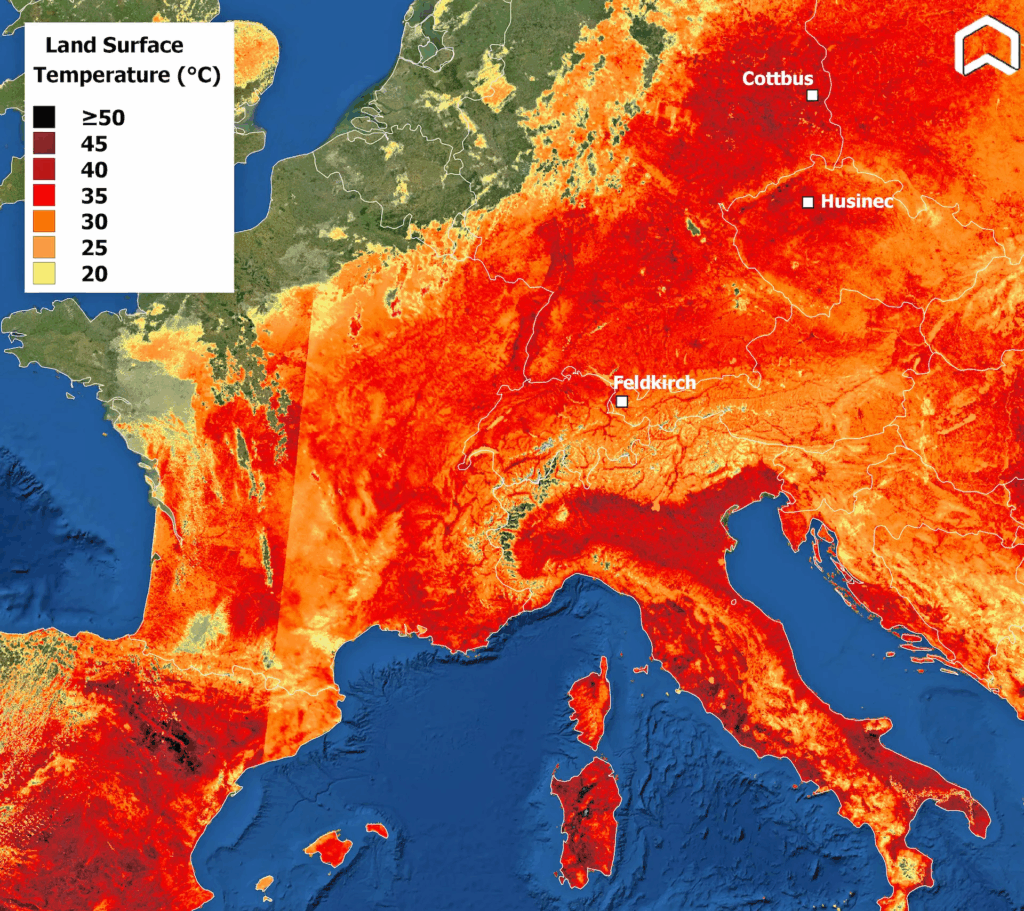
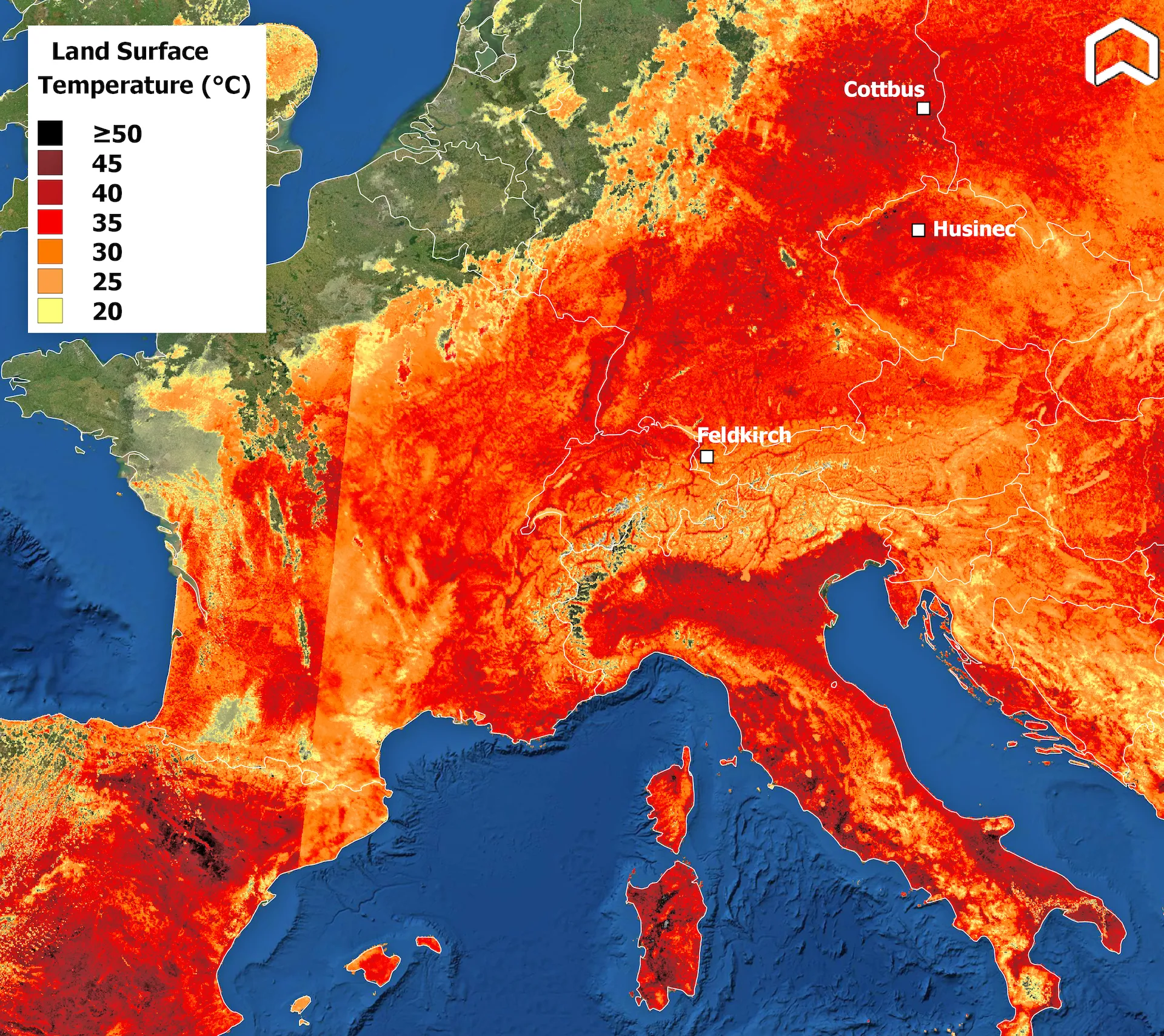
In early July 2025, much of Western and Central Europe experienced one of the most severe heat waves in recent memory. A mass of warm, circulating high-pressure—known as heat domes—settled over parts of the continent, triggering unprecedented temperatures, infrastructure strain, and heat-related deaths from Spain to Poland.
With red alert heat warnings across numerous countries, this event highlights the urgent need for climate adaptation in Europe’s warming climate.
Record Heat and Rising Risks
Extreme heat was reported in countries from Portugal through Germany across the broad spectrum of public safety systems:
Southern Spain and Portugal saw temperatures near 45°C (113°F)
France experienced its hottest day in June on June 30, and the heat persisted into July over much of the country.
London’s Wimbledon tournament reported its hottest first day ever recorded.
The Eiffel Tower summit was closed due to safety concerns during extreme heat conditions (The Washington Post).
In total, more than 16 departments in France were on red alert, and another 68 departments were on amber alert as temperatures lingered above 40°C (Severe-Weather.eu). 🏥 Human and Environmental Impact
The human price of the heatwave continues to accumulate:
At least eight heat-related fatalities – 4 in Spain, 2 in France, 2 in Italy
More than 300 people were hospitalized in France with heatstroke and dehydration
Wildfires started with evacuations and loss of homes in Catalonia, southern France, Turkey, and Italy (Reuters)
Cities across Europe also experienced:
Rolling blackouts in Italy
A Swiss nuclear reactor shut down temporarily due to overheated river water for cooling
More risk to residents who are vulnerable, like older adults, outdoor workers, and unhoused communities
🌡️ The Heat Dome Situation
A persistent heat dome, or a high-pressure system that traps hot air, caused the above-normal temperatures and blocked the normal flow of cooler systems from the Atlantic Ocean. The extreme heat caused at least:
Multi-day stretches of above-normal temperatures
Nighttime temperatures remained too high to recover from the daylight heat
Drier soils and a higher risk of getting fires due to dryland from prolonged drought
Meteorologists indicate that the 2025 dome is one of the strongest documented in European records.
Why That Matters
Europe is warming nearly twice as fast as the global average, according to the World Meteorological Organization. The most recent heatwave is another unambiguous signal that:
Extreme heat events are no longer rare but are increasing in frequency, duration, and severity, resulting in higher fatalities.
The current built environment, particularly in historic urban areas, is not designed to withstand sustained high temperatures.
Climate change is having detrimental impacts on our daily lives, affecting everything from tourism and agriculture to energy systems and healthcare.
What Needs to Improve
The 2025 heatwave illustrates the urgent need for:
Heat-resilient cities – green roofs, tree-shaded streets, reflective materials, and alternate public cooling processes.
Reliable energy systems – upgrades to the energy grid to cope with spikes in AC use for cooling, to prevent blackouts.
Public awareness – clear heatwave warning systems, hydration stations, and education related to climate risk.
Climate action – stronger climate mitigation policies throughout the EU to limit greenhouse gas emissions and invest in climate adaptation.
The Future
The experts indicate that unless the world takes aggressive climate action, it seems unlikely that 2025 will be the hottest summer of the decade. As Europe continues to urbanize, the built environment will reflect aging and deteriorating infrastructure. Reliably increasing temperatures will mean that all summers become public health emergencies due to climate change.
Want to Get Involved?
Check on vulnerable neighbors and inform them about local cooling center initiatives.
Lower your usage during peak hours to help relieve strain on the energy grid.
Connect and support local and EU-wide climate adaptation activities through civic engagement.